
 English
  русский
  Español
Menú web
Búsqueda de productos
-
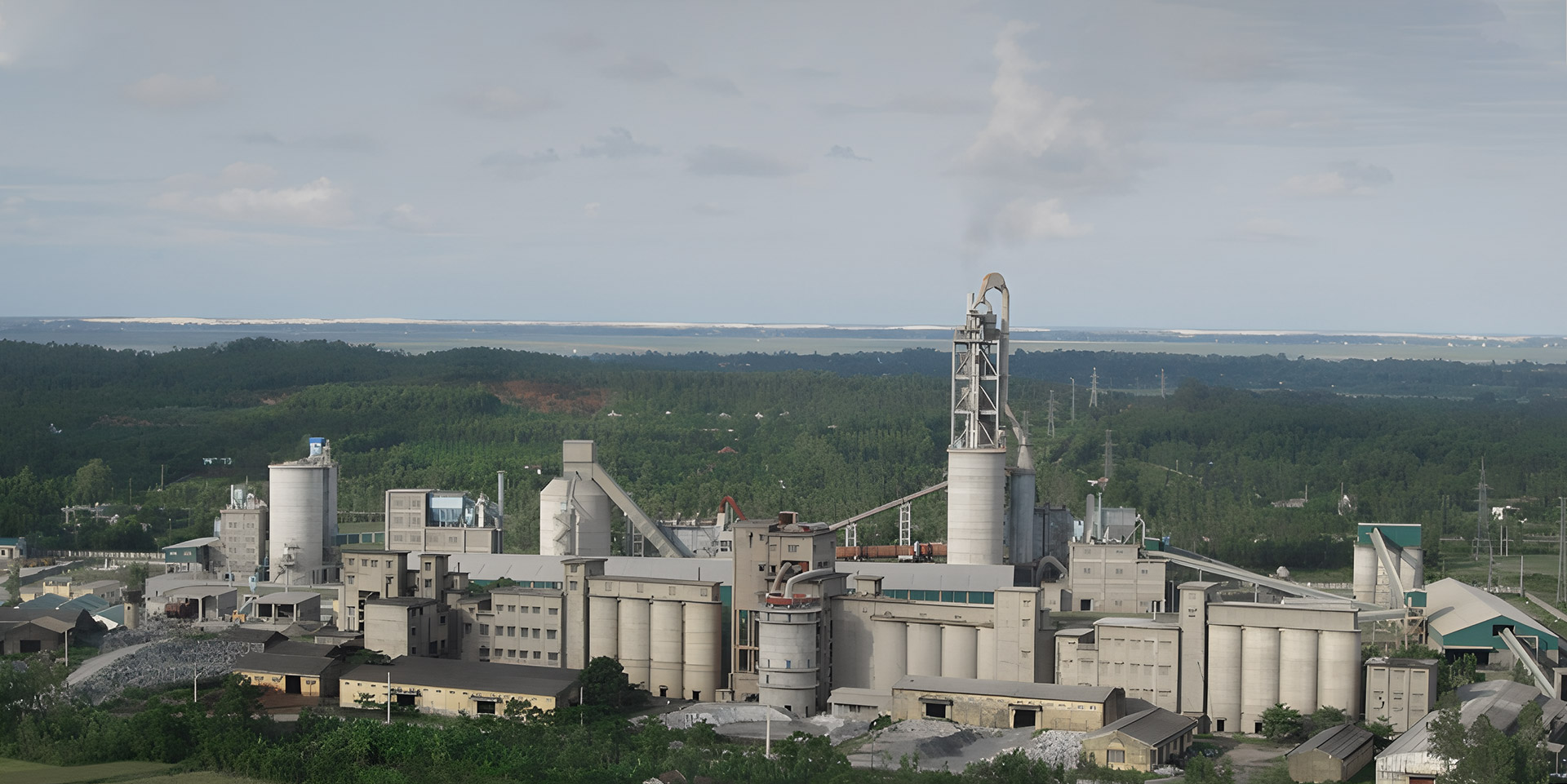 ENTREGANDO SOLUCIONES LLAVE EN MANO PARA LA CEMENTERA Y LA INGENIERÍA INDUSTRIALPropuesta de servicio
 -
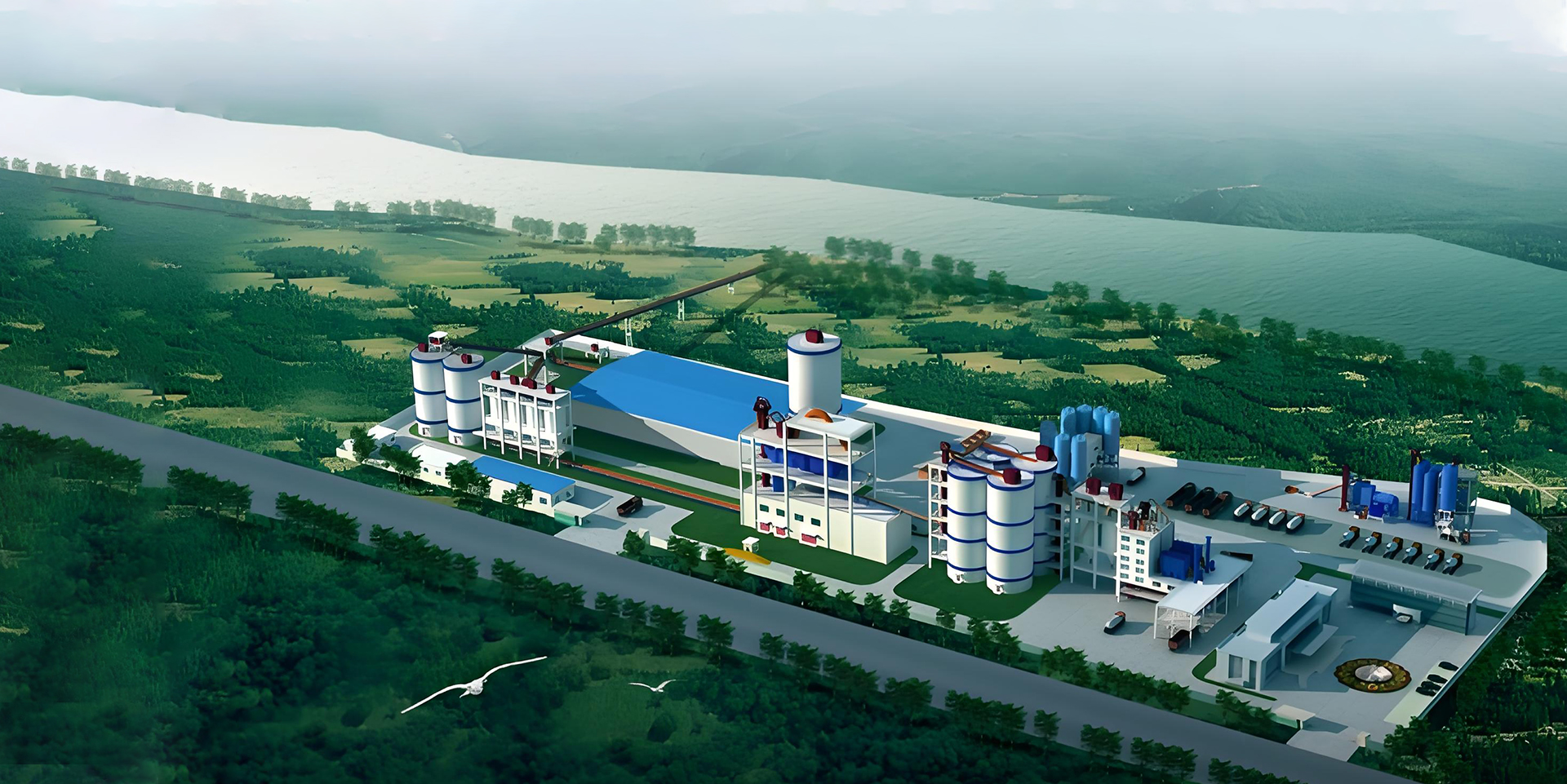 Nuestros proyectos más popularesPropuesta de servicio
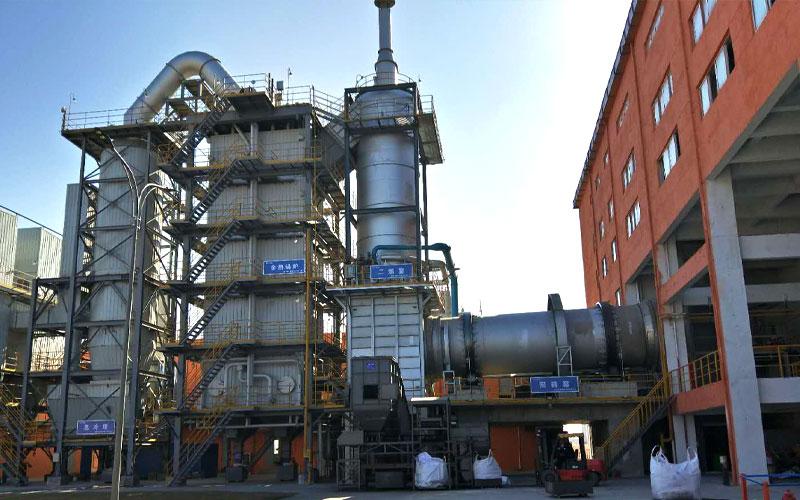
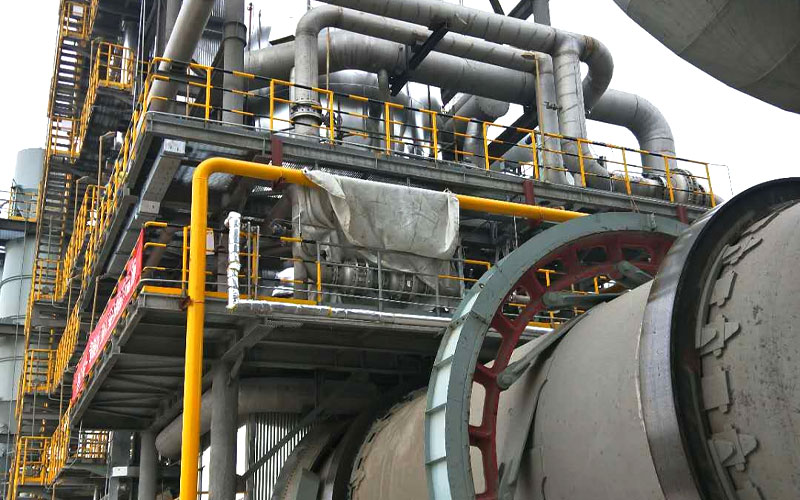
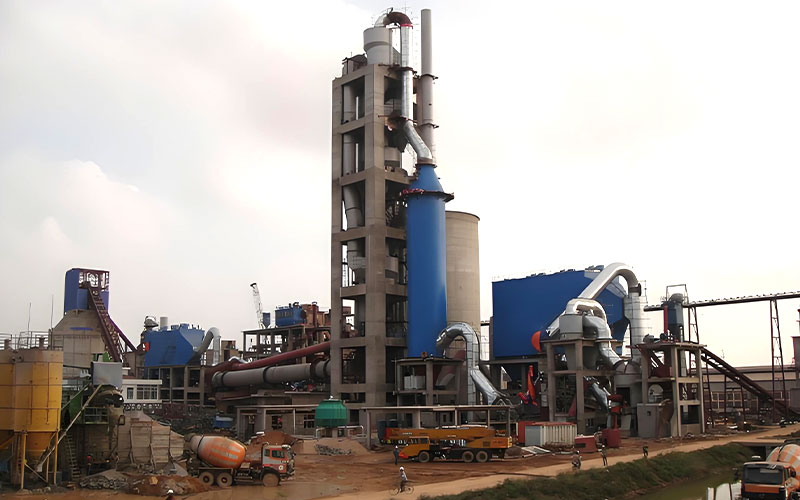
Desde el procesamiento de materia prima hasta la producción de productos terminados, ofrecemos una solución general completa para líneas de producción de cemento, que incluyen diseño de ingeniería, fabricación de equipos, instalación y puesta en marcha, y optimización de operaciones, para garantizar una producción eficiente y de bajo costo.
INGENIERÍA AVANZADA PARA EL DESARROLLO SOSTENIBLE DEL CEMENTO Y LA INDUSTRIA.
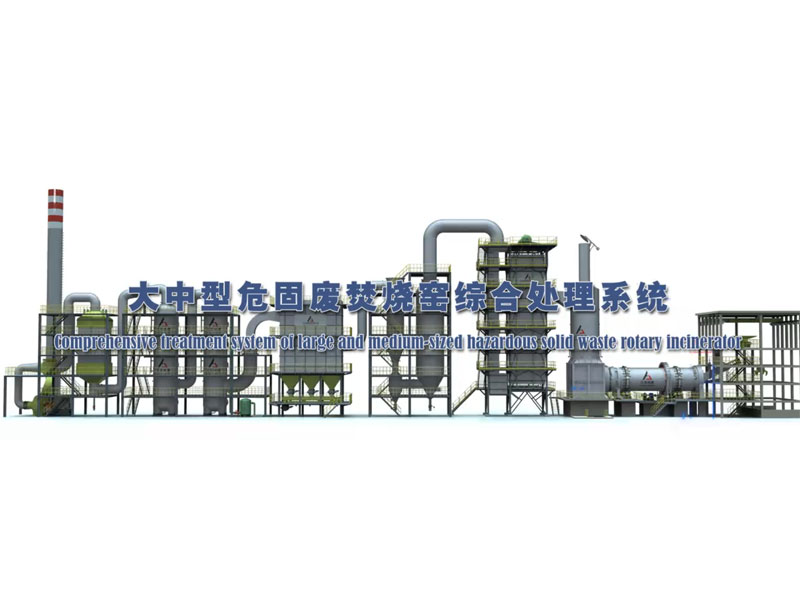
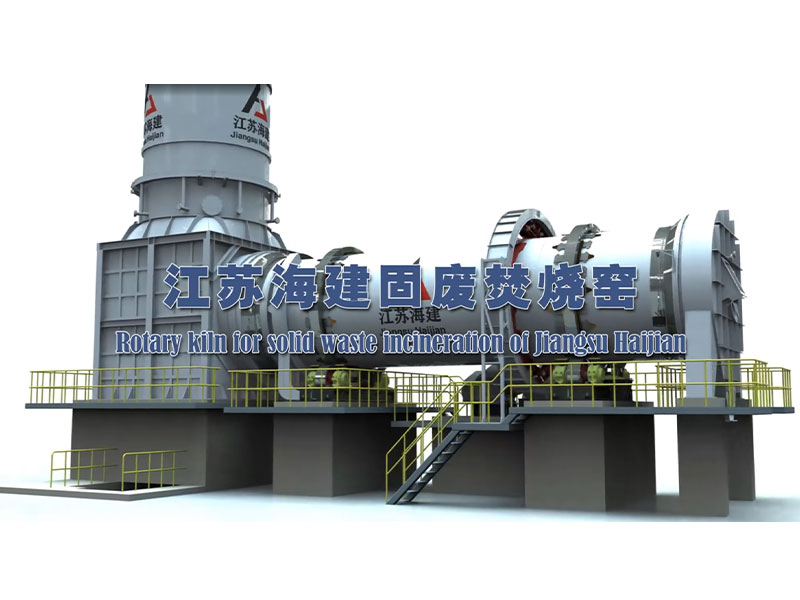
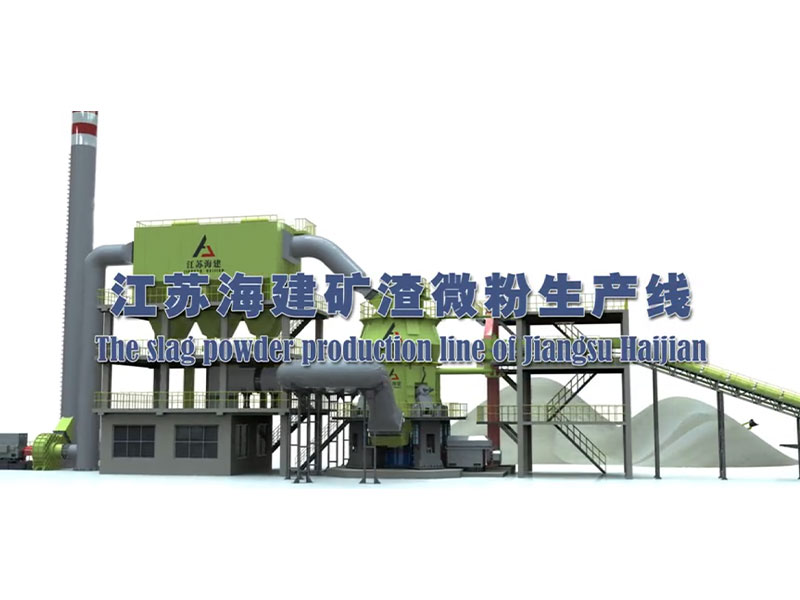
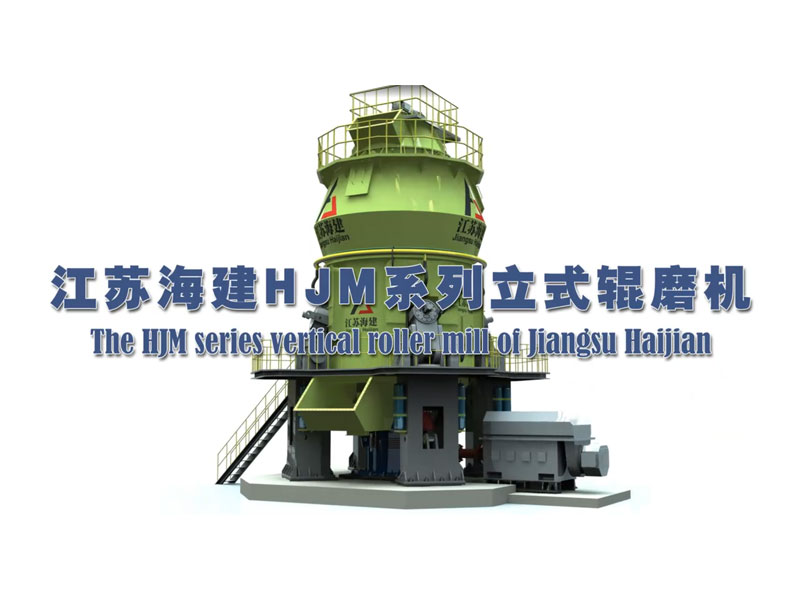
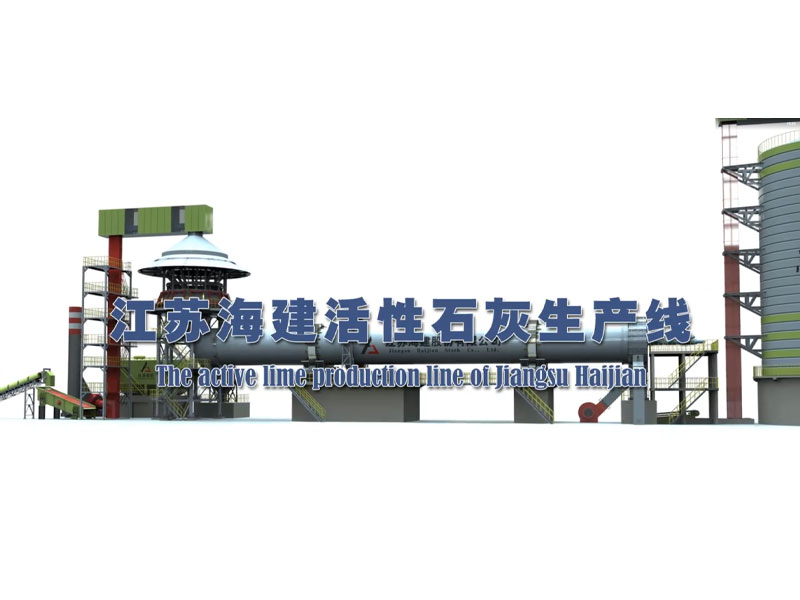
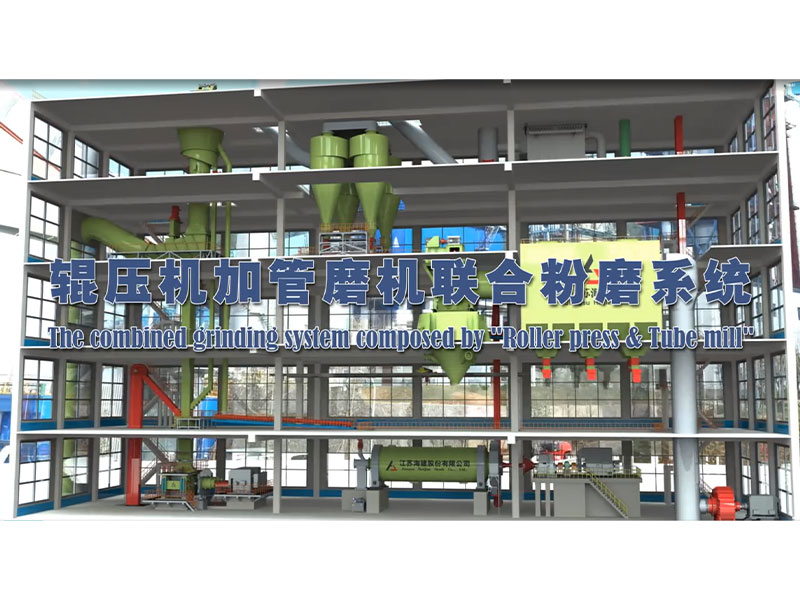
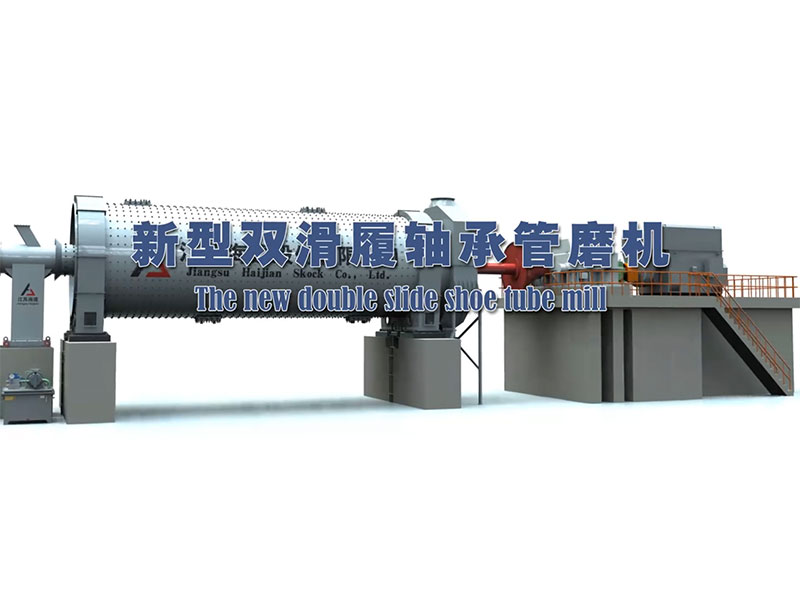
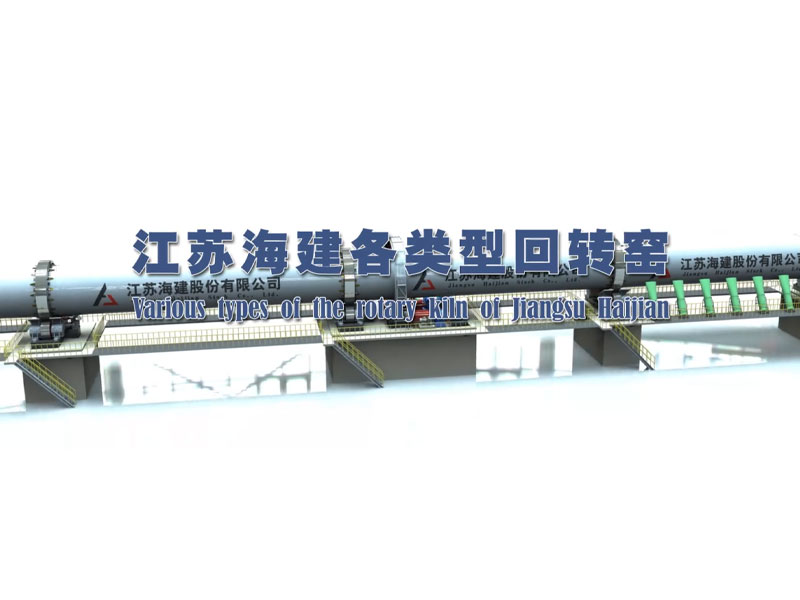
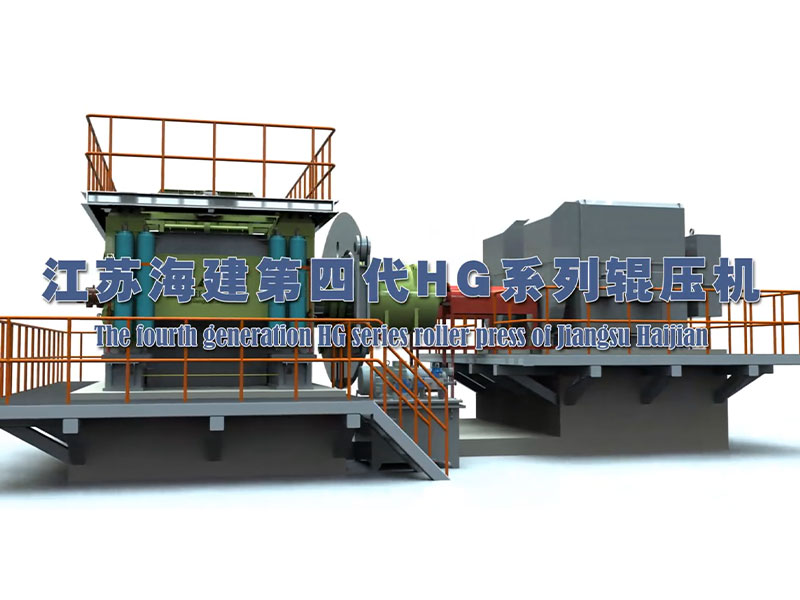
Nuestra gama de equipos
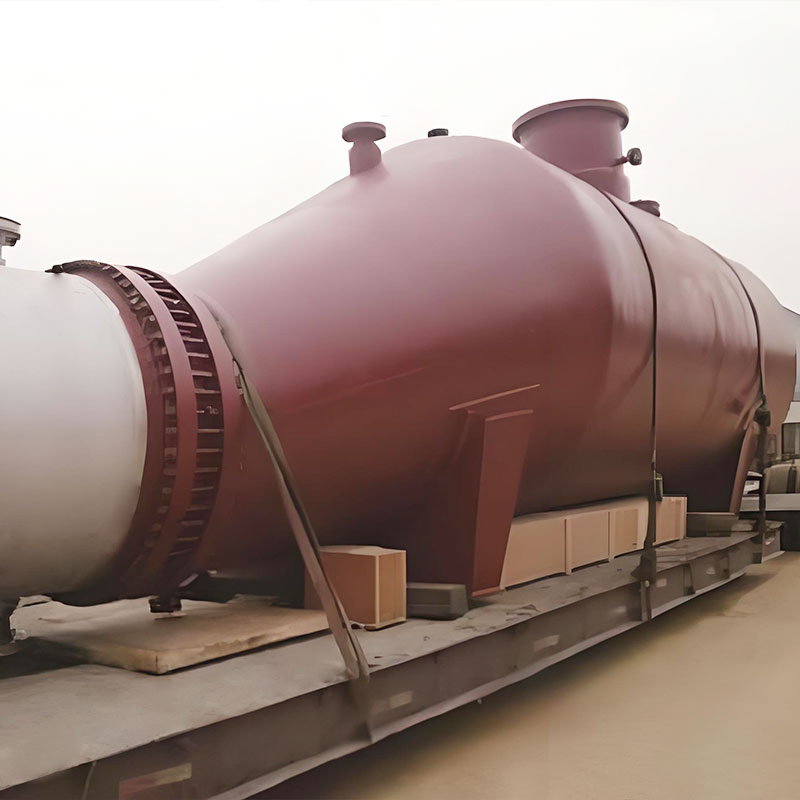
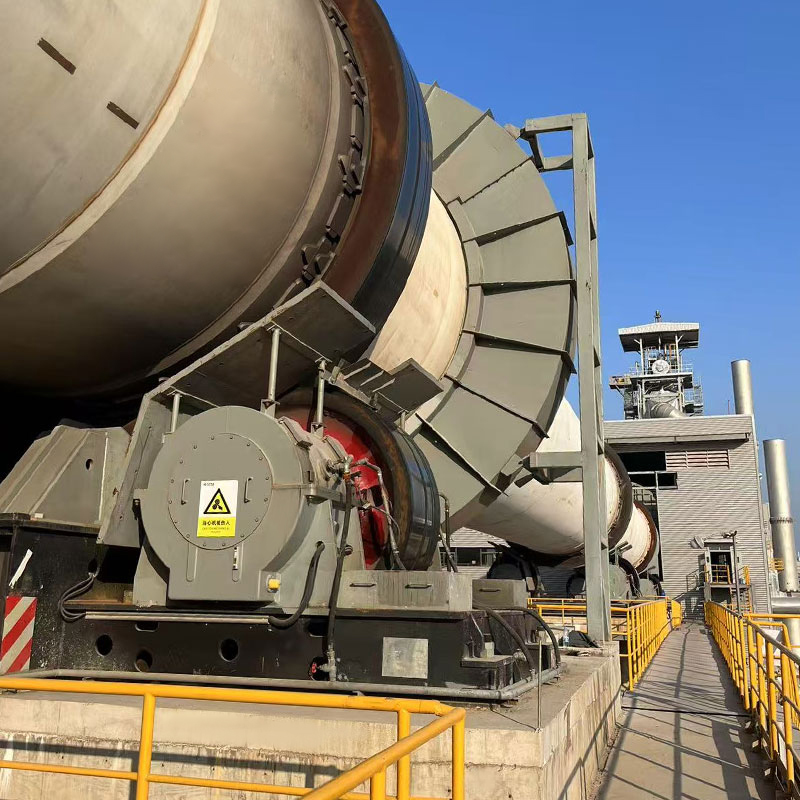
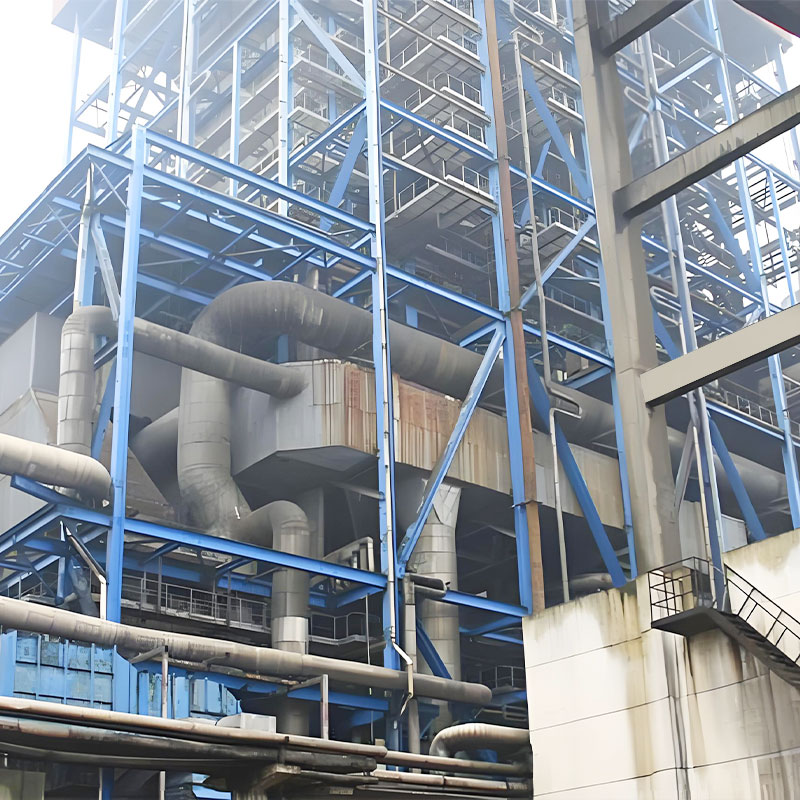
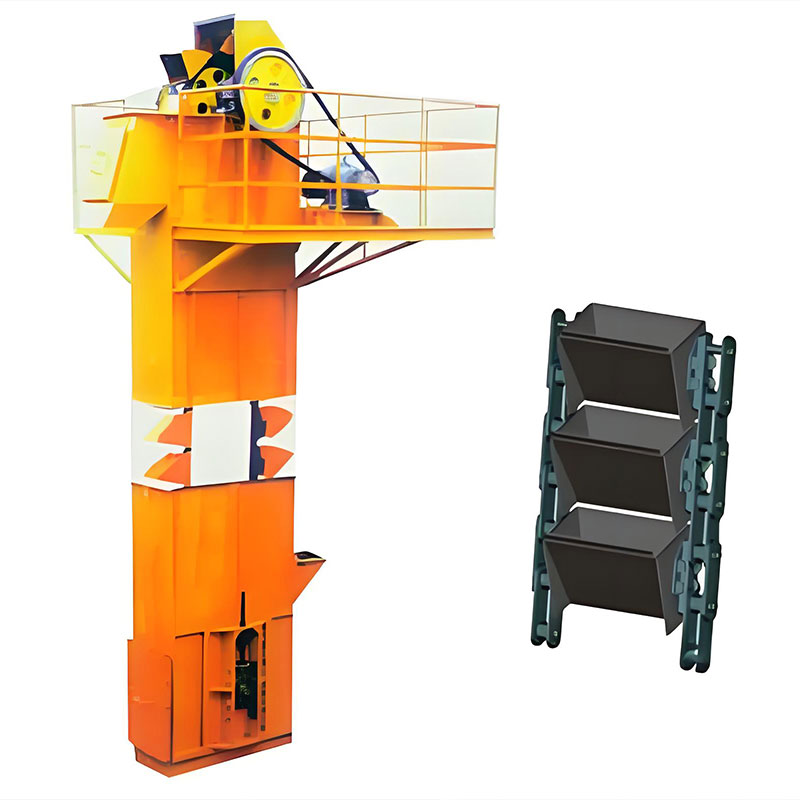
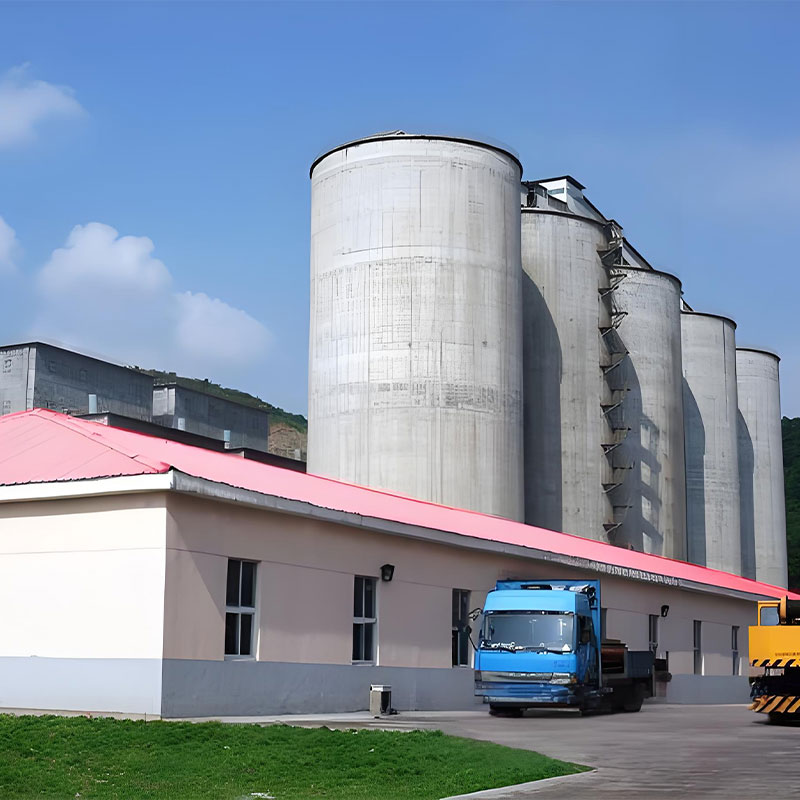
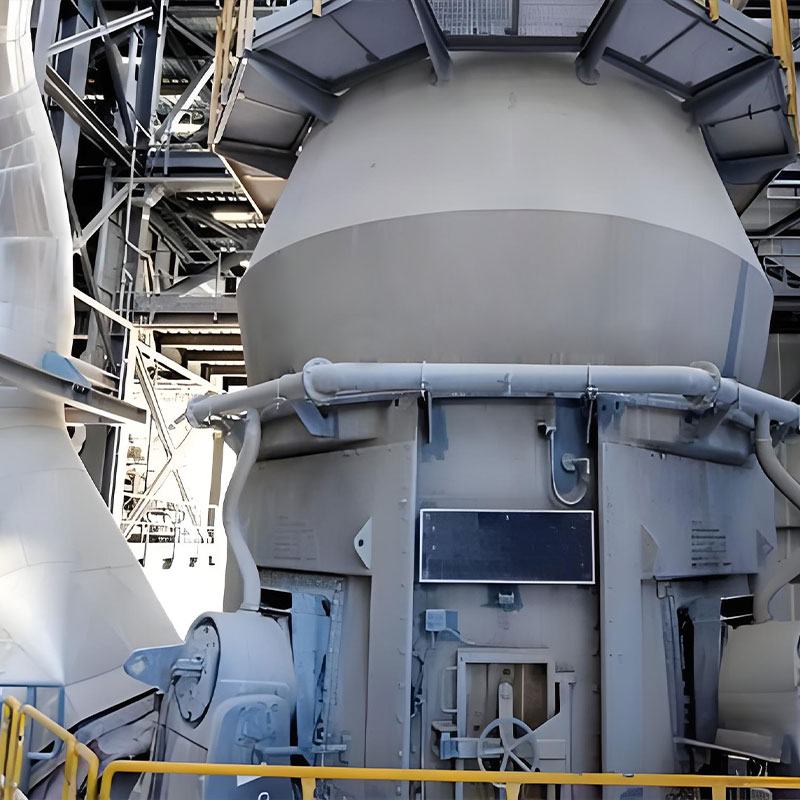
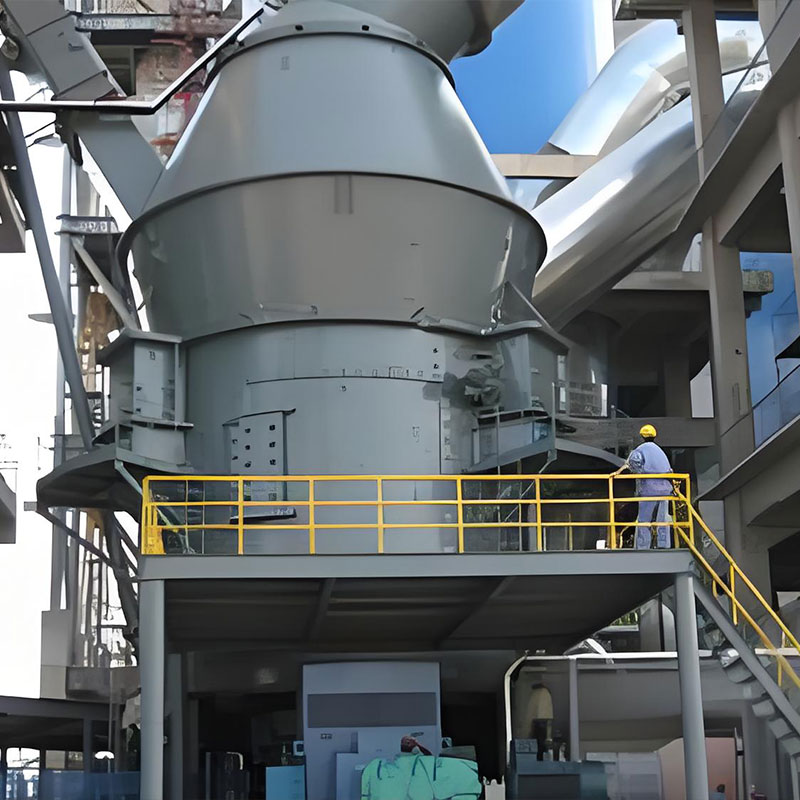
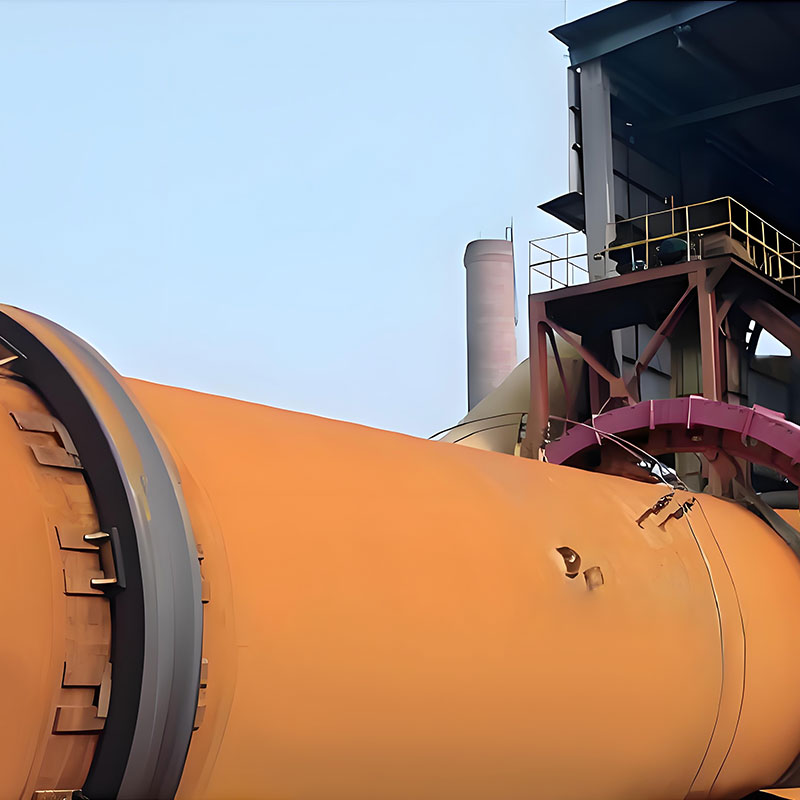
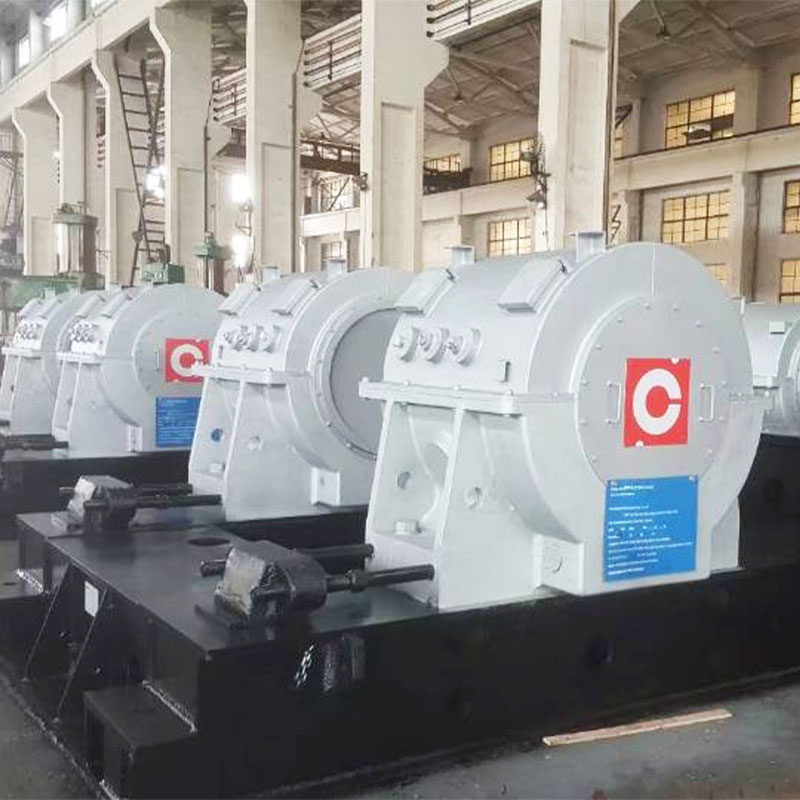
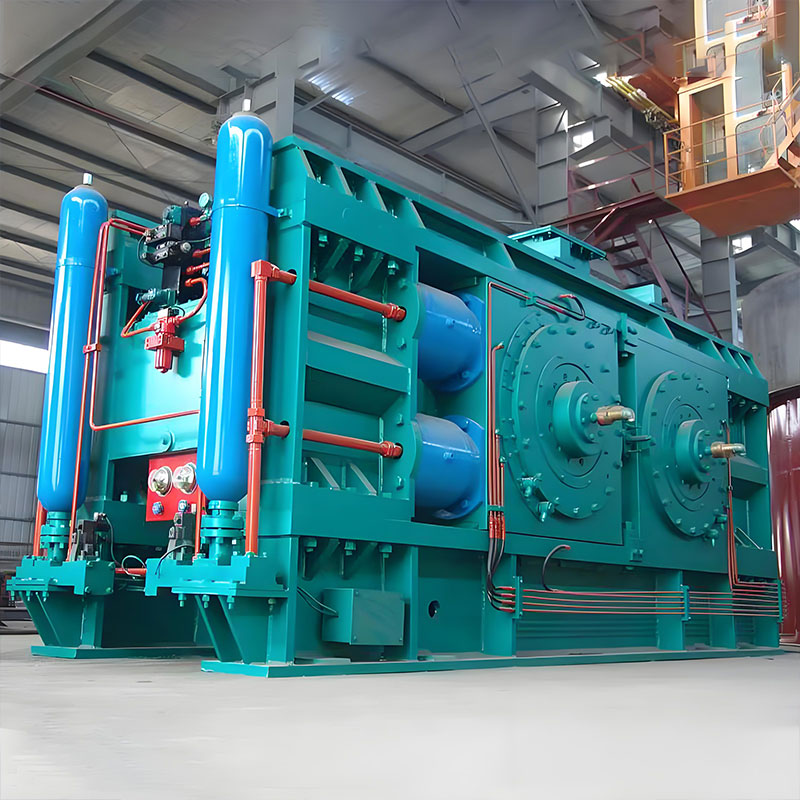
Tu socio de confianza para el cemento
y soluciones de ingeniería industrial.
BIENVENIDA A HAIJIAN
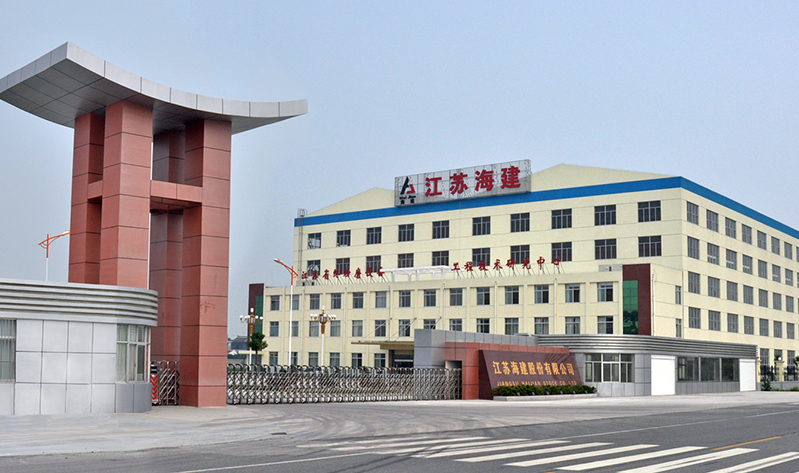

PERFIL DE LA EMPRESA
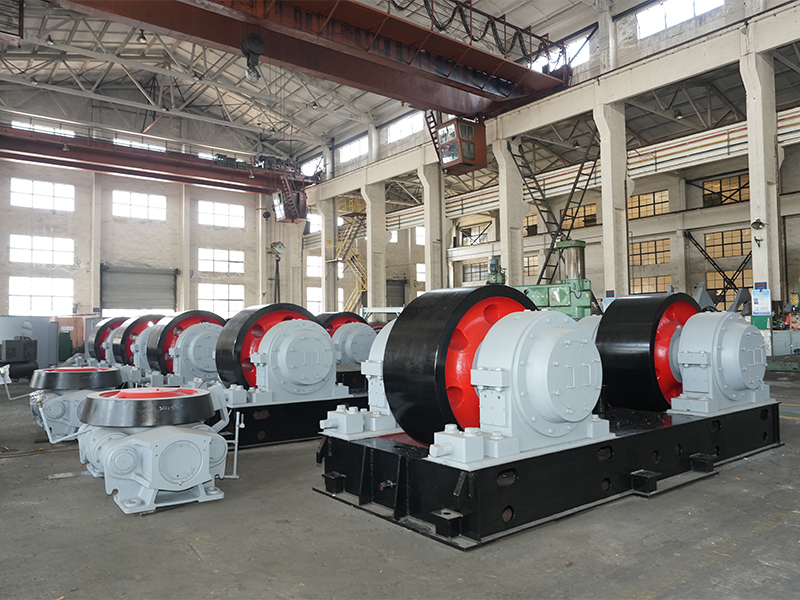
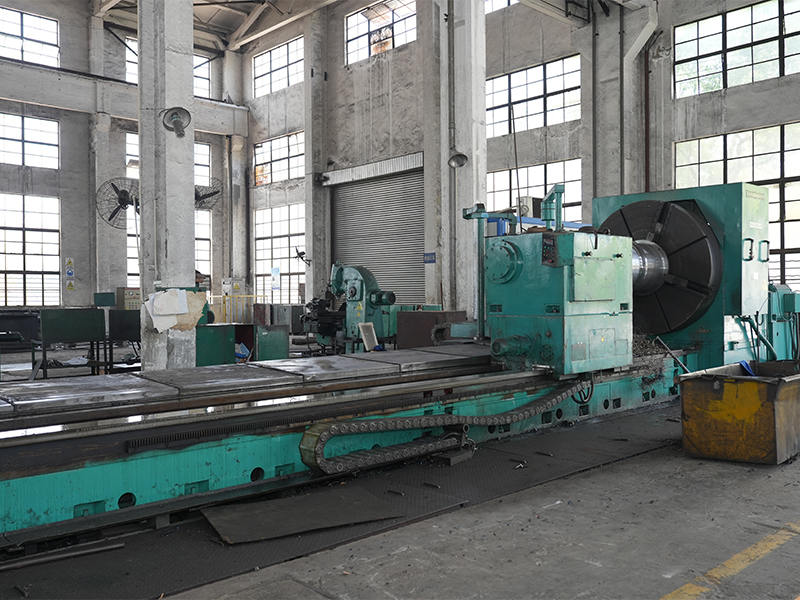
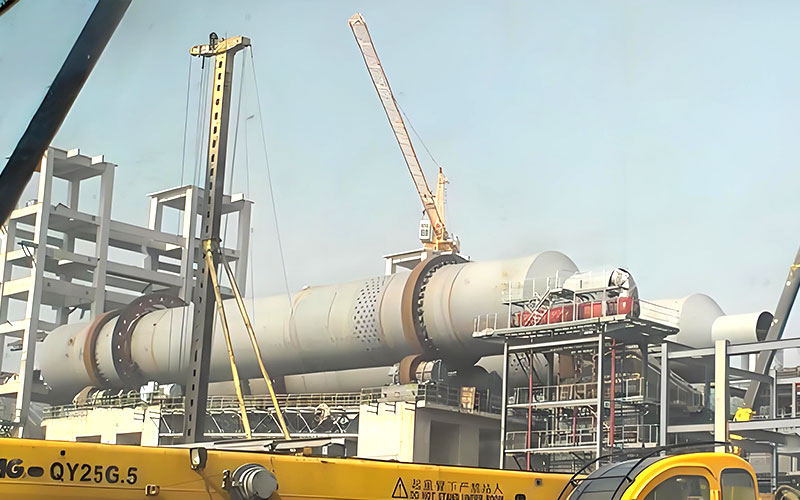
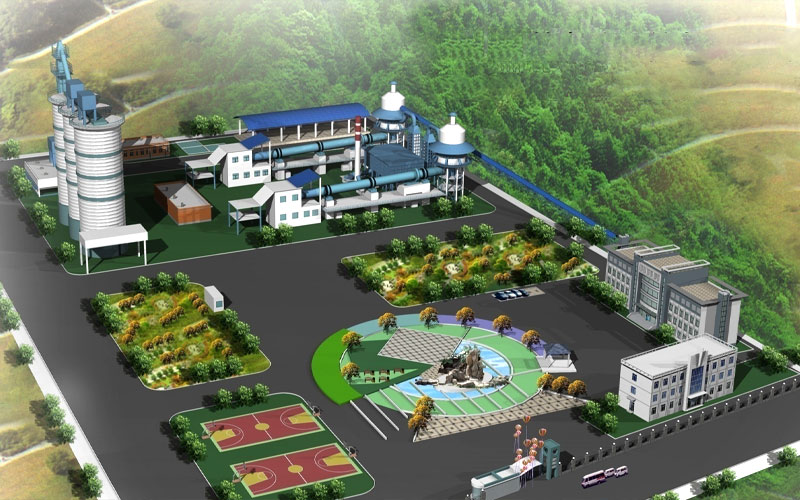
Jiangsu Haijian Co., Ltd. se especializa en proporcionar soluciones generales para líneas de producción de cemento, incineración de residuos sólidos industriales y aplicaciones en minería y metalurgia. Con años de experiencia en ingeniería, equipos avanzados y un compromiso con el desarrollo sostenible, ayudamos a nuestros clientes a lograr una producción eficiente y de bajo costo.
Ver más
Estilo corporativo
Ver más
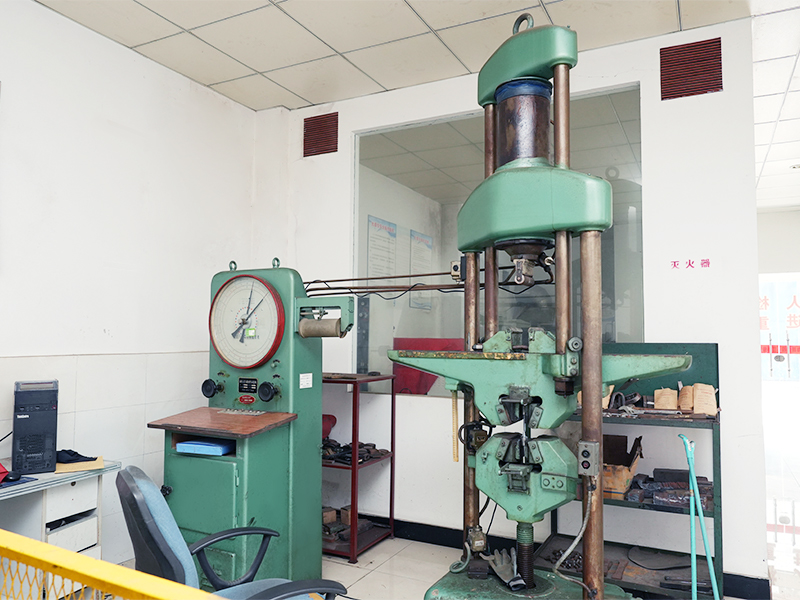
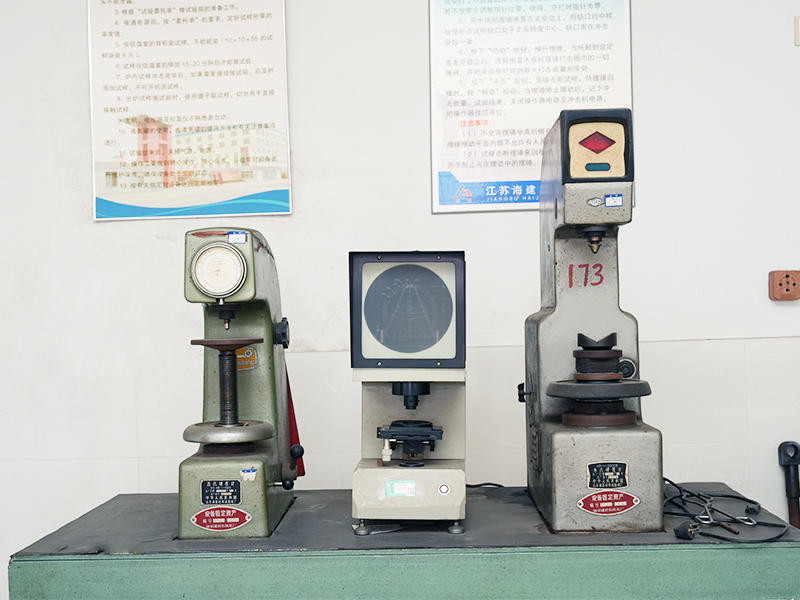
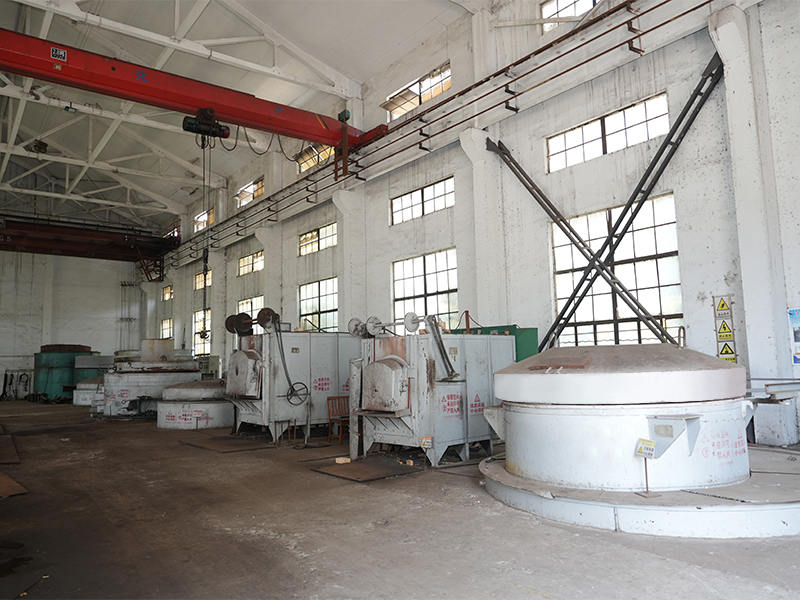
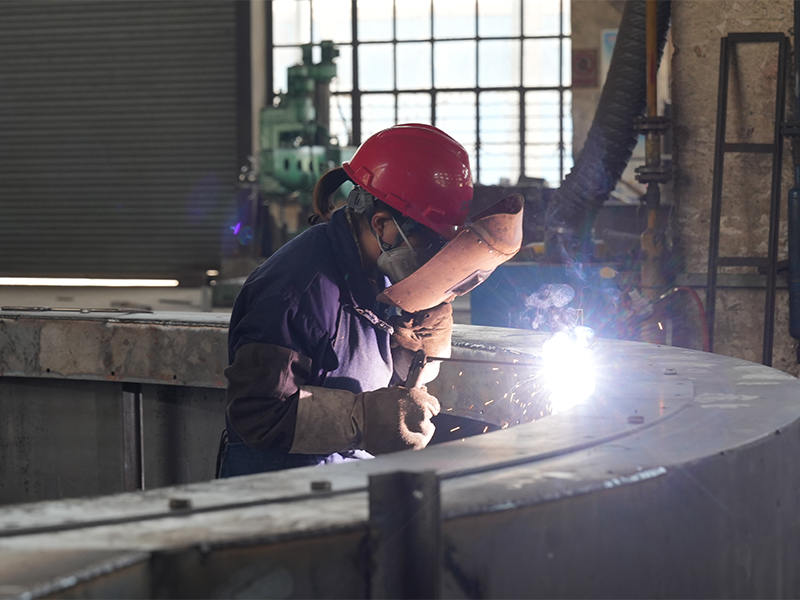
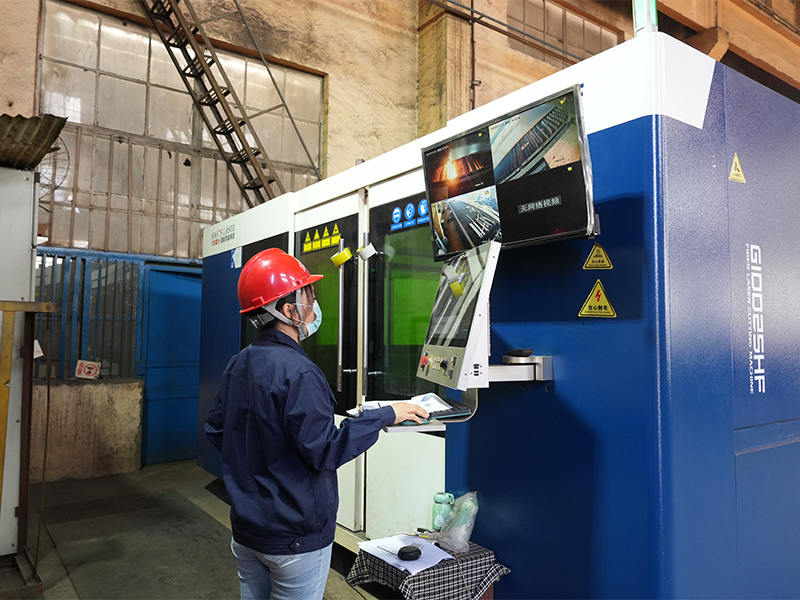
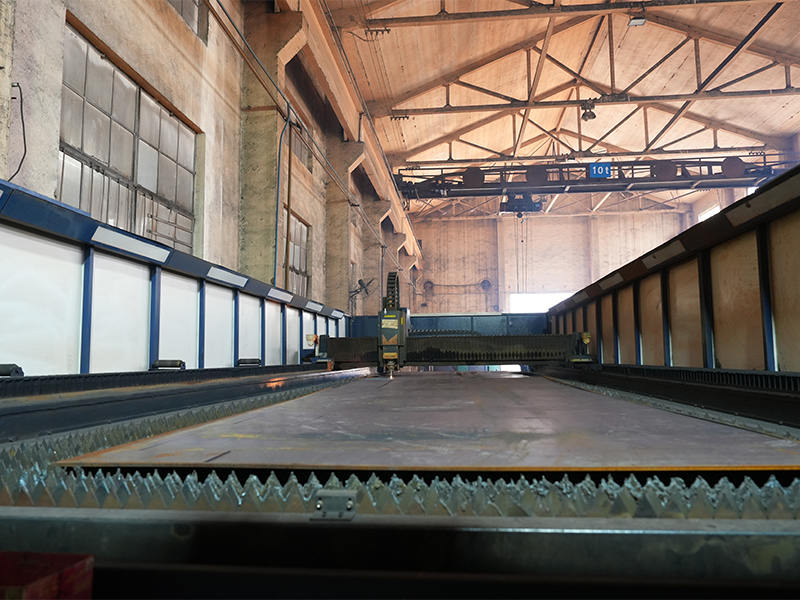
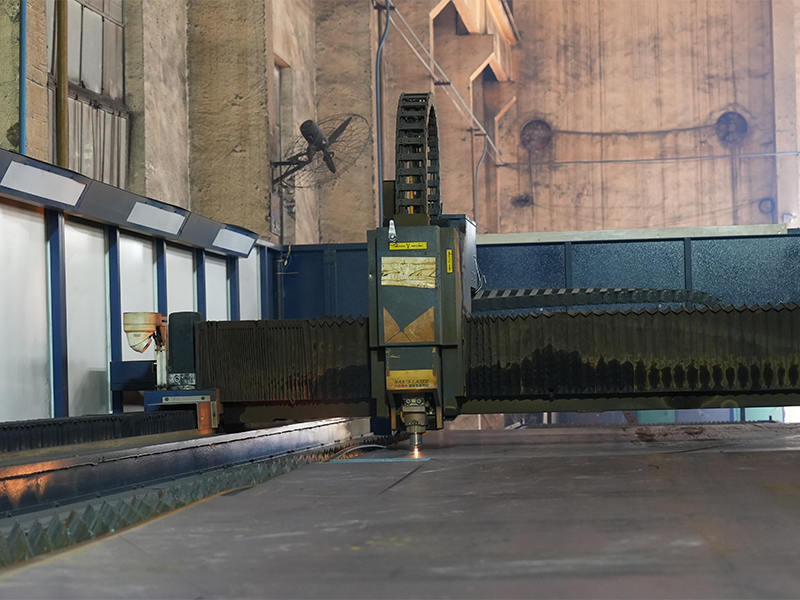
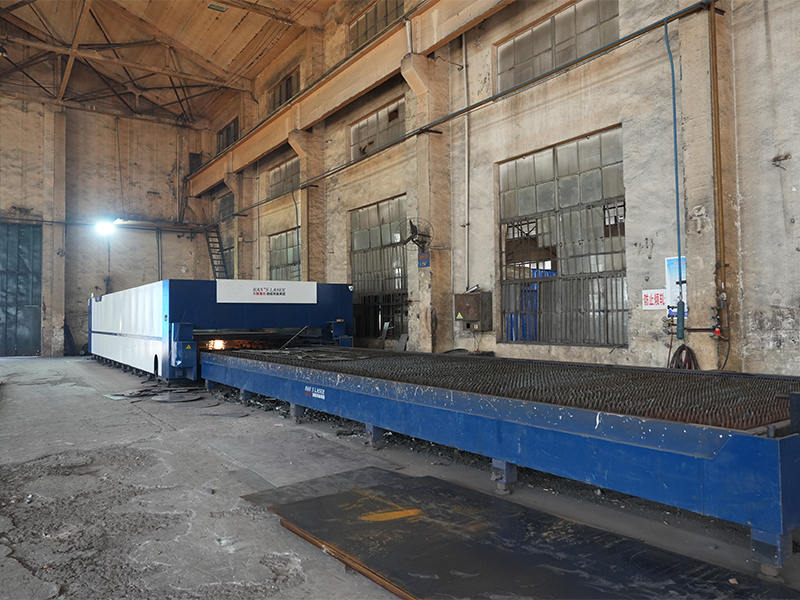
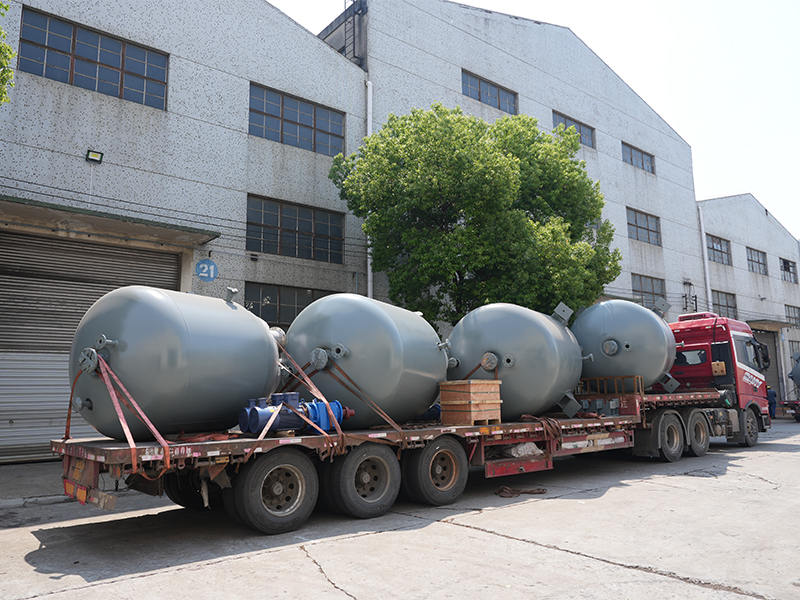
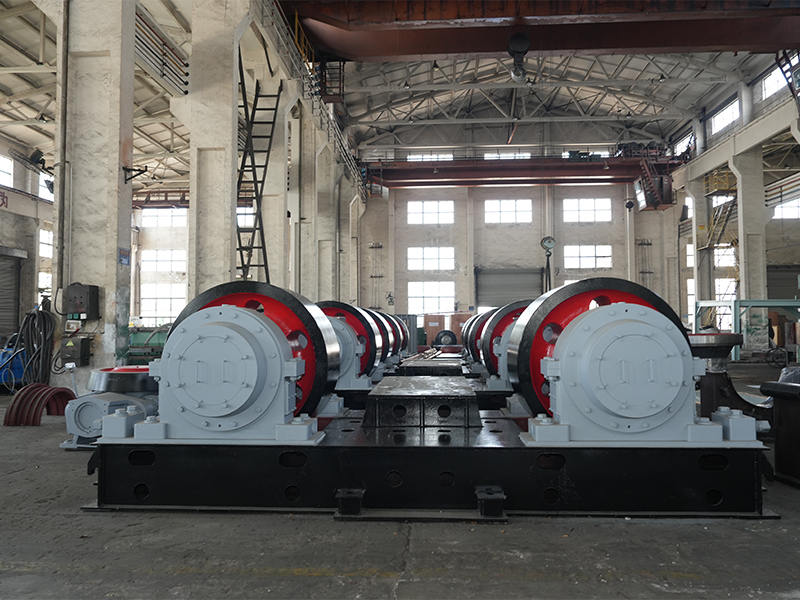
-
0años55 años de experiencia en fabricación
-
0Trabajadores300 personal de ingeniería y técnica
-
0100,000 área de la fábrica

NOTICIAS
Actualizaciones de noticias recientes
-
Dos muestras de polvo de horno de cemento extraídas de la misma línea de horno en la misma semana pueden diferir en aproxima...Dos muestras de polvo de horno de cemento extraídas de la misma línea de horno en la misma semana pueden diferir en aproximadamente un 10 por ciento en la densidad aparente suelta y en más de eso en el contenido de cal libre. Esa brecha es el punto de partida práctico para cualquier especificación de polvo de horno de cemento. CKD no es un grado fabricado con una hoja de datos fija; es una corriente de subproducto cuyos números siguen la alimentación de materia prima, la operación del horno y el punto exacto en el recorrido del gas donde se captura el polvo. Primero, la conclusión: una especificación que sobrevive a la adquisición, la revisión de reutilización o la aprobación de un vertedero define cuatro cosas antes de definir un solo número. Esos cuatro son la fuente, el punto de recolección, el procedimiento de muestreo y una banda de tolerancia alrededor de cada valor. Las cifras de referencia publicadas son una verificación de cordura, no un límite de aceptación. Por qué las cifras de ERC pasan de una planta a otra El polvo de los hornos de cemento es el material fino y en polvo que se elimina de los gases de escape de los hornos mediante equipos de control de la contaminación del aire, como ciclones, filtros de tela y precipitadores electrostáticos. Se parece mucho al cemento Portland, razón por la cual tantos compradores asumen que sus propiedades son igualmente estables. No lo son, y las razones son más operativas que misteriosas. Química de los piensos y combustibles crudos — la piedra caliza, el esquisto, la arcilla, el mineral de hierro y cualquier combustible alternativo modifican el equilibrio del calcio, la sílice, la alúmina, los óxidos alcalinos, los sulfatos y los cloruros transportados por el polvo. Tipo de horno y funcionamiento. — un horno húmedo largo sin precalentador produce un polvo diferente que una línea de precalentador-precalcinador con la misma alimentación; La temperatura de la zona de combustión y la atmósfera del horno cambian la cantidad de material volátil que se condensa en partículas. Punto de recogida — El polvo ciclónico del precalentador, el polvo de la cámara de filtros y el polvo de derivación son tres materiales diferentes dentro de una planta. La finura y la carga alcalina cambian a lo largo del recorrido del gas. Tasa de retorno de polvo — la proporción de polvo recogido que se devuelve al horno para la química del clinker cambia directamente lo que sale del sistema como subproducto vendible o desechable. La consecuencia práctica es simple. Una especificación utilizable nombra la planta, la línea y el recolector. "Se excluye la línea de precalcinador, la salida del filtro de mangas y el material de derivación" es una definición de fuente viable. El "polvo de horno de cemento" por sí solo no lo es. Especificaciones físicas: los valores que puedes verificar Los datos físicos es donde residen la mayoría de los valores de referencia de CKD publicados, y también es el área más fácil para verificar la afirmación de un proveedor con un laboratorio, un tamiz y un contenedor calibrado. Valores típicos publicados para el polvo de hornos de cemento, mostrados como líneas de base de muestreo en lugar de límites de aceptación. Propiedad Valor o rango típico Método de verificación Gravedad específica alrededor de 2,59 g/cm3 picnómetro o botella de densidad Densidad aparente suelta alrededor de 1,13 g/cm3 recipiente calibrado, vertido suelto Tamaño máximo de partícula aproximadamente 0,3 mm para la mayoría de los polvos; En algunas corrientes aparecen fracciones más gruesas cercanas a los 2 mm. análisis de tamiz Finura por tamaño aproximadamente el 75 por ciento de las partículas más finas que 0,030 mm (tamiz n.º 450) tamizado húmedo o seco, difracción láser Finura por superficie aproximadamente entre 4.600 y 14.000, según lo citado en la guía de la FHWA permeabilidad al aire, tipo Blaine Apariencia Polvo fino muy parecido al cemento Portland. inspección visual, microscopía Reacción en agua fuertemente alcalino pH de una suspensión preparada Dos de estos valores importan más que el resto en el funcionamiento diario. La densidad aparente determina el tamaño del silo, la carga de los camiones y la dosificación del supresor de polvo, y un 1,13 g/cm3 vertido suelto puede verse muy diferente después de una semana de almacenamiento bajo su propio peso. El tamaño de las partículas influye en el polvo y en el comportamiento de manipulación: una corriente en la que el 75 por ciento pasa 0,030 mm no se comporta en nada como una que lleva una fracción gruesa visible cercana a los 2 mm. Composición química: la parte que decide la reutilización Debido a que la CKD es un subproducto, su química varía más que su perfil físico, y esa variación, más que los promedios, es lo que normalmente bloquea una ruta de reutilización. La composición está dominada por el óxido de calcio procedente de la alimentación cruda y los minerales de clinker, junto con sílice, alúmina y óxido de hierro, con cal libre, óxidos alcalinos, sulfatos y cloruros presentes en cantidades que dependen de la línea. Los metales traza se encuentran en concentraciones bajas, pero aún así dan forma a las normas y aprobaciones de eliminación. Cuatro elementos de química merecen su propia línea en una especificación: lima gratis reacciona con la humedad y se expande. En bases estabilizadas, acondicionamiento de suelos o cualquier almacenamiento húmedo, un alto contenido de cal libre crea problemas de cambio de volumen mucho antes de que se alcance la resistencia de diseño. Óxidos alcalinos restrinja su uso dondequiera que el polvo entre en contacto con un sistema cementoso, ya que aumentan la carga alcalina de la mezcla y contribuyen a la reacción álcali-sílice. Cloruros y sulfatos conllevan dos riesgos distintos: el cloruro acelera la corrosión del acero incrustado, mientras que el sulfato suministra reactivos para retrasar la formación de etringita en aplicaciones ligadas. Limite ambos en lugar de promediarlos. Metales lixiviables rigen la disposición. Los estándares de vertederos para este material se basan en el desempeño y requieren diseños que protejan el agua subterránea de metales tóxicos, por lo que las pruebas de lixiviación tienen más peso que una cifra de contenido total. Además de estos, especifique el contenido de humedad y la pérdida por ignición. Ambos son económicos de probar, ambos cambian entre la puerta de la planta y el punto de uso, y ambos distorsionan cualquier resultado químico reportado tal como se recibió si no se definen. Cómo escribir una especificación que sobreviva a una auditoría La causa más común de un parto fallido de CKD no es el polvo malo. Es una especificación copiada de una página de un manual que describe una planta diferente. Construya el documento en un orden fijo: definición de fuente, muestreo de referencia, banda de aceptación, método de prueba, frecuencia de informes. El muestreo de referencia significa recolectar al menos diez muestras durante semanas operativas normales antes de escribir cualquier límite. La media establece el objetivo y el diferencial establece la banda. Cuando un límite proteja un uso posterior, limitarlo. Cuando un valor simplemente describe el material, publique un rango. Parámetros que vale la pena incluir en una especificación CKD y la razón por la que cada uno se gana su lugar. Parámetro Por qué pertenece a la especificación como aceptarlo Fuente y punto de recogida. Dos recolectores en una planta producen dos materiales diferentes Nombre de planta, línea y tipo de colector. densidad aparente Dimensionamiento de silos, camiones y equipos de dosificación. Banda acordada a partir de muestras de referencia, ni una sola cifra Humedad Polvo, manipulación y costo de flete. Límite en el momento del envío, con el método de secado indicado. lima gratis Riesgo de expansión en la reutilización y en el almacenamiento Valor máximo, probado por lote Cloruro y sulfato Corrosión y expansión en aplicaciones encuadernadas. Valores máximos por donde el polvo ingresa al concreto o a las capas base Gradación y finura Rendimiento de polvo y relleno. Registro de tamiz por lote, método denominado Metales lixiviables Aprobaciones de vertederos y reutilización Método denominado, resultados informados por lote o por trimestre Indique el método de prueba al lado de cada límite. Un límite de finura sin un método, ya sea tamizado, permeabilidad al aire o difracción láser, no es aplicable, y tres laboratorios pueden arrojar tres respuestas diferentes a partir de una muestra. Luego, establezca la frecuencia de los informes para que un único lote fuera de especificación se haga visible antes de que desaparezca en un silo. Donde las especificaciones CKD se encuentran con la línea del horno Cada especificación de CKD es, indirectamente, una especificación de la línea de horno que lo produjo. Nadie firma esa frase en un contrato, pero es cierta en la práctica y explica la mayoría de las sorpresas en la química del polvo. La generación de polvo comienza mucho antes de la cámara de filtros. La molienda en bruto determina qué tan fino llega el alimento, los ciclones del precalentador y el calcinador establecen el perfil térmico, el horno rotatorio controla la quema y la volatilización, el enfriador de parrilla maneja los finos del lado del clinker como una corriente separada y la cámara de bolsas o precipitador decide qué se captura finalmente como subproducto. horno rotatorio El horno rotatorio es el principal equipo para calcinar clinker de cemento y se utiliza principalmente en las industrias química, metalúrgica y otras. El horno rotatorio de calcinación s... Ver producto → Precalentador En las líneas de producción de cemento, los precalentadores combinan polvo de materia prima con gases de escape de alta temperatura en la cola del horno a través del efecto sinérgico de la suspensión precalentadora... Ver producto → Por qué la operación cambia la especificación del producto Cambie la relación de retorno de polvo, agregue un bypass o cambie un combustible y la especificación del subproducto se moverá sin que nadie toque el contrato CKD. Las plantas que venden o reutilizan su polvo generalmente rastrean la tasa de retorno en el mismo informe que la química del polvo, por lo que el vínculo entre la operación y el producto permanece visible para ambas partes. Por lo tanto, la selección del equipo se acerca a este problema. Jiangsu Haijian ha construido equipos de proceso para las industrias cementera, energética, ambiental y metalúrgica desde 1970, incluidos hornos, precalentadores, enfriadores y equipos de molienda aguas arriba de cualquier flujo de CKD, y sus capacidad de fabricación cubre el mecanizado pesado, el laminado y el tratamiento térmico que requiere dicho equipo. Cinco errores de especificación que cuestan dinero Copiar un valor publicado como límite. Una figura del manual describe un polvo típico, no el polvo de su silo. Úselo para verificar la plausibilidad y luego pruebe la fuente real. Ignorando el punto de recogida. El polvo de derivación y el polvo de la cámara de filtros principal pueden transportar niveles muy diferentes de álcalis y cloruros, y al mezclarlos se cambia silenciosamente el promedio. Establecer un número en lugar de una banda. Un único objetivo sin tolerancia garantiza disputas. Una banda construida a partir de muestras de referencia mantiene a ambas partes dentro de los límites acordados. Saltar humedad y pérdida por ignición. Estas dos pruebas baratas explican la mayoría de los desacuerdos aparentes sobre la densidad, el polvo y la química a la llegada. Probar metales totales en lugar de lixiviabilidad. Las aprobaciones de eliminación y reutilización dependen de lo que puede migrar al agua subterránea, lo cual es una cuestión de lixiviabilidad, no una cuestión de contenido total. Los mismos factores operativos que modifican la química del CKD también impulsan la producción y la eficiencia de la línea, razón por la cual los compradores experimentados leen ambos juntos, como se explica en esta revisión de Los factores clave que afectan una línea de producción de cemento. . Una especificación viable en una sola página Nada del polvo del horno de cemento es exótico. Es simplemente un subproducto variable que con demasiada frecuencia se especifica como si fuera un artículo de catálogo. Fije la fuente, tome muestras antes de escribir límites, limite lo que protege un uso posterior, agrupe todo lo demás y nombre un método de prueba al lado de cada línea. Fuente: planta, línea, tipo de colector y si se incluye material de derivación. Línea de base: diez o más muestras tomadas durante semanas operativas normales. Físicas: rango de densidad aparente, límite de humedad, registro de gradación por lote. Químico: tapas libres de cal, álcali, cloruro y sulfato donde sean importantes. Ambiental: método de lixiviación denominado y frecuencia de reporte. Control de cambios: cualquier cambio en la tasa de retorno de polvo o en el combustible desencadena una nueva prueba. Si escribe correctamente esas seis líneas, el documento se mantendrá en un laboratorio, en la aprobación de un vertedero y en una disputa de compra. También sobrevivirá a la única variable que ninguna tabla de referencia puede tener en cuenta: el próximo cambio en la alimentación del horno. .article-section{margin-bottom:26px;}.article-section p{font-size:16px!important;margin-bottom:12px;}.article-section h2{font-size:22px;font-weight:bold;text-align:left;margin-bottom:12px!important;}.article-section h3{font-size:16px;font-weight:bold;text-align:left;margin-bottom:12px;}.article-section ul{margin-bottom:12px;list-style-type:disc;list-style-position:inside;}.article-section ol{margin-bottom:12px;list-style-type:decimal;list-style-position:inside;padding-left:0;}.article-section li{list-style:inherit;font-size:16px;margin-bottom:6px;}.article-section table{display:table!important;width:100%;border-collapse:collapse;margin-bottom:12px;}.article-section thead{display:table-header-group!important;}.article-section tbody{display:table-row-group!important;}.article-section tr{display:table-row!important;}.article-section th{display:table-cell!important;font-weight:bold;border:1px solid #cccccc;padding:8px;}.article-section td{display:table-cell!important;border:1px solid #cccccc;padding:8px;}.article-section caption{caption-side:bottom;font-size:16px;margin-bottom:12px;font-style:italic;color:#808080;}.article-section a{color:#b3312a;text-decoration:underline;}.article-section [data-product-card]{display:block;}.ckd-lead{background:#fdf3f2;border-left:5px solid #e54a41;border-radius:0 8px 8px 0;padding:18px 20px;}.ckd-lead p:last-child{margin-bottom:0;}.ckd-lead strong{color:#b3312a;}.ckd-variability{background:#ffffff;border-top:3px solid #e54a41;border-bottom:1px solid #f0d6d4;border-radius:6px;padding:18px 20px;}.ckd-variability h2{border-left:6px solid #e54a41;padding-left:10px;}.ckd-variability li strong{color:#e54a41;}.ckd-physical{background:#fafafa;border-radius:12px;padding:18px 20px;}.ckd-physical h2{border-bottom:2px solid #e54a41;padding-bottom:8px;}.ckd-physical thead th{background:#e54a41;color:#ffffff;}.ckd-physical tbody tr:nth-child(even){background:#fdeeed;}.ckd-chemistry{background:#ffffff;border:1px solid #f3d3d1;border-radius:8px;padding:18px 20px;}.ckd-chemistry h2{background:#e54a41;color:#ffffff;padding:10px 14px;border-radius:6px;}.ckd-chemistry li strong{color:#b3312a;}.ckd-specwriting{background:#fff8f7;border:1px dashed #e54a41;border-radius:10px;padding:18px 20px;}.ckd-specwriting h2{color:#b3312a;}.ckd-specwriting thead th{background:#fdeeed;color:#b3312a;}.ckd-equipment{background:#ffffff;border-left:5px solid #e54a41;border-radius:0 10px 10px 0;padding:18px 20px;}.ckd-equipment h2::before{content:"";display:inline-block;width:10px;height:10px;background:#e54a41;margin-right:8px;}.ckd-equipment h3{color:#b3312a;border-bottom:1px solid #f3d3d1;padding-bottom:6px;}.ckd-mistakes{background:#f4f4f5;border-top:4px solid #e54a41;border-radius:0 0 10px 10px;padding:18px 20px;}.ckd-mistakes h2{color:#3a3a3a;}.ckd-mistakes li strong{color:#e54a41;}.ckd-close{background:linear-gradient(135deg,#fdf3f2,#f7d9d6);border:1px solid #efc6c2;border-radius:12px;padding:20px;}.ckd-close h2{color:#8f2119;}.ckd-close li{background:#ffffff;border-radius:6px;padding:6px 10px;} .product-card{display:block;margin:20px 0;border:1px solid #e5e7eb;border-radius:10px;overflow:hidden;font-style:normal;background:#fff}.pc-inner{display:flex;text-decoration:none;color:inherit;align-items:center;min-height:120px}.pc-img{width:160px;min-width:160px;aspect-ratio:4/3;height:auto;min-height:120px;object-fit:cover;flex-shrink:0;display:block;align-self:stretch}.pc-body{padding:12px 16px;flex:1;min-width:0;display:flex;flex-direction:column;align-self:stretch;justify-content:center}.pc-title{display:block;font-size:15px;font-weight:600;color:#111;margin:0 0 6px;line-height:1.4}.pc-desc{display:-webkit-box;font-size:13px;color:#6b7280;margin:0 0 8px;line-height:1.5;overflow:hidden;-webkit-line-clamp:2;line-clamp:2;-webkit-box-orient:vertical}.pc-cta{display:block;font-size:13px;font-weight:600;color:inherit;margin-top:auto}.pc-inner:hover .pc-title{text-decoration:underline} .article-section a:not(.pc-inner),article a:not(.pc-inner){color:inherit}.pc-cta{color:inherit!important}2026-Oct-22ver más -
Un productor de concreto premezclado en una ciudad costera recibe dos cotizaciones para la misma mezcla de 30 MPa. Uno utili...Un productor de concreto premezclado en una ciudad costera recibe dos cotizaciones para la misma mezcla de 30 MPa. Uno utiliza cemento Portland común y corriente. El otro reemplaza el 25% del aglutinante con cenizas volantes y llama al resultado “cemento de ceniza”. La diferencia de precio es real, pero también lo es el riesgo: la segunda mezcla puede alcanzar los 30 MPa a los 56 días y aún así no cumplir con el programa de extracción de 7 días, o puede pasar todas las pruebas de resistencia y aún mostrar un contenido de aire errático porque la fuente de cenizas cambió entre cargas de camiones. El cemento de ceniza no es un producto único y no es un simple intercambio por cemento Portland. En la construcción industrial, el término generalmente significa una mezcla de cemento o aglutinante de concreto en el que las cenizas volantes, la puzolana natural u otra ceniza reaccionan con el hidróxido de calcio para formar compuestos cementosos adicionales. La cuestión práctica no es si el cemento de ceniza funciona. Se trata de si la ceniza específica, la tasa de reemplazo, el estándar y el método de producción se ajustan al cronograma del proyecto, la exposición y el sistema de control de calidad. Comience con la conclusión: el cemento de ceniza puede mejorar la resistencia a largo plazo, reducir el calor de hidratación y reducir la vulnerabilidad al cloruro y al sulfato, pero exige especificaciones más estrictas y una planificación temprana más cuidadosa que el cemento Portland simple. El resto de esta guía explica qué cubre el término, dónde se ubican los riesgos y qué equipo de producción industrial marca la diferencia. Qué significa "cemento de ceniza" en la práctica Tres familias de materiales se denominan comúnmente cemento de ceniza. Comparten un mecanismo puzolánico pero difieren en origen, consistencia y tratamiento de código. El cemento de ceniza cubre varias familias de materiales; Trate cada uno como un problema de especificación separado. Tipo Fuente Reemplazo típico Estándar común restricción clave Mejor ajuste Cemento de cenizas volantes Subproducto de la combustión del carbón 15–35 % en CEM II/A-V o B-V ASTM C618 Clase F/C, EN 450-1 LOI y finura varían según la planta. Hormigón en masa, marino, exposición a sulfatos. Cemento puzolánico natural Ceniza volcánica, arcilla calcinada, diatomita. 15-40% ASTM C618 Clase N, EN 197-1 CEM IV La reactividad depende del depósito. Patrimonio y construcción en general Cenizas de madera/cenizas de biomasa Ceniza de madera o agrícola 5-20% en mezclas experimentales o no estructurales A menudo no hay una norma armonizada Alto contenido alcalino, carbono sin quemar, sílice variable. Rellenos de mampostería, no estructurales y de baja resistencia Por qué el cemento de ceniza se comporta de manera diferente El cemento Portland produce hidrato de silicato de calcio e hidróxido de calcio. El cemento de ceniza agrega una segunda reacción: la sílice amorfa y la alúmina de la ceniza se combinan con hidróxido de calcio y agua para formar fases C-S-H y aluminosas adicionales. Esa reacción es más lenta, lo que explica tanto los beneficios como los retrasos. Fuerza temprana: menor a los 1, 3 y 7 días; a menudo igual o superior después de 28 a 90 días. Calor de hidratación: temperatura máxima más baja, útil en secciones gruesas donde existe riesgo de agrietamiento térmico. Permeabilidad: estructura de poros refinada después del curado; mejor resistencia al ingreso de cloruros y al ataque de sulfatos. Trabajabilidad: las partículas esféricas de cenizas volantes pueden reducir la demanda de agua, pero las cenizas de biomasa irregulares a menudo la aumentan. Carbonatación y acabado: un fraguado más lento y una alcalinidad temprana más baja pueden afectar el curado, la rotación del encofrado y el acabado de la superficie. El impacto práctico es el cronograma. Si un proyecto necesita un retiro de encofrado de 7 días o un postensado de 3 días, un reemplazo con alto contenido de cenizas sin aceleradores o ajuste de la mezcla puede costar más en demora de lo que ahorra en aglutinante. Si el proyecto es una base gruesa, un muro marino o una estructura expuesta a sulfatos, la reacción más lenta suele ser una ventaja más que un defecto. Riesgos de especificaciones y adquisiciones que los compradores deben controlar La ceniza es un subproducto, no una sustancia química fabricada. Su calidad varía con la fuente de carbón, las condiciones de combustión, el sistema de recolección y el almacenamiento. Un certificado de proveedor es un punto de partida, no una garantía. Los siguientes controles reducen el riesgo de que una mezcla tenga buenos resultados en el laboratorio y se comporte mal en el campo. Corrija el estándar antes de la primera cotización. Para las cenizas volantes, ASTM C618 o EN 450-1 define los límites químicos y físicos; para cemento mezclado, EN 197-1 o ASTM C595 define el producto. No acepte una descripción genérica de “cemento de ceniza”. Establezca límites de pérdida por ignición, finura, demanda de agua e índice de actividad de resistencia. Por ejemplo, una ceniza volante Clase F con alto contenido de carbono sin quemar puede adsorber aditivos inclusores de aire y provocar un contenido de aire aleatorio. Requerir trazabilidad de origen y lote. Si la central eléctrica cambia el carbón o el silo de cenizas cambia la alimentación, es posible que sea necesario ajustar el diseño de la mezcla incluso si el certificado todavía muestra la misma clase. Realice mezclas de prueba con el cemento, la ceniza, el aditivo y el agregado reales. Pruebe la fuerza a una edad temprana, a los 28 días y, cuando sea relevante, a los 56 o 90 días. Consultar entrega y almacenamiento. La humedad, la segregación y la contaminación en silos o camiones pueden cambiar la tasa de reemplazo efectiva. Para un proyecto comercial, el contrato también debe definir quién paga por las nuevas pruebas, la recuperación del cronograma y las cargas rechazadas. El precio más bajo del cemento de ceniza rara vez es el costo de instalación más bajo si la mezcla necesita ajustes repetidos. Dónde funciona mejor el cemento de ceniza y dónde no El cemento de ceniza es más convincente en aplicaciones donde la durabilidad y la resistencia a largo plazo importan más que la velocidad. Hormigón en masa: la menor generación de calor reduce los gradientes térmicos y el riesgo de agrietamiento. Ambientes marinos y clorados: la estructura de poros más densa ralentiza la penetración del cloruro. Suelos que contienen sulfatos y aguas subterráneas: las mezclas adecuadas de cenizas y escorias pueden mejorar la resistencia a los sulfatos. Rellenos de mampostería y no estructurales: la ceniza de madera o la ceniza de menor calidad pueden reemplazar parte del aglutinante cuando los requisitos de resistencia son modestos. Estabilización de subbases de carreteras: la reacción puzolánica puede mejorar la resistencia a largo plazo de los suelos tratados. Es una peor elección cuando el cronograma es corto, la temperatura ambiente es baja o el elemento necesita una alta resistencia inicial para el ciclo del encofrado, el pretensado o la reparación rápida. En esos casos, puede ser necesario una tasa de reemplazo más baja, un material cementoso suplementario diferente o un acelerador. La decisión debe basarse en la clase de exposición y la secuencia de construcción, no en una preferencia general por materiales “verdes”. Estación de molienda de cemento para clinker, yeso y cenizas volantes Sistema terminal de producción de cemento que pesa, muele y clasifica clinker, yeso, escoria y cenizas volantes hasta una finura controlada. Ver producto → Producción de cemento mezclado con cenizas a escala industrial En una planta de cemento o estación de molienda, el cemento de ceniza es un desafío tanto de producción como de ciencia de materiales. Las cenizas deben recibirse, almacenarse, secarse cuando sea necesario, dosificarse y molerse entre sí o mezclarse con clinker y yeso hasta lograr una finura controlada. Una estación de molienda de cemento dedicada es una ruta: el clinker, el yeso, las cenizas volantes y otras adiciones se alimentan en proporciones pesadas y luego se muelen hasta obtener un área de superficie objetivo. La clave no es simplemente mezclar ceniza con cemento; mantiene constante la tasa de reemplazo y la distribución del tamaño de las partículas de hora en hora. Molino de bolas de cemento para clinker, yeso, escoria y cenizas volantes Molino secundario con clasificación de circuito cerrado y opción de prensa de rodillos para controlar la finura del cemento y reducir el uso de energía. Ver producto → En un circuito de molino de bolas, la energía de molienda y el tiempo de residencia determinan qué tan finos se vuelven el clinker y las cenizas. Las cenizas volantes suelen ser más blandas que el clinker, por lo que una molienda excesiva puede desperdiciar energía y cambiar el empaquetamiento de las partículas. Un molino de cemento utilizado con una prensa de rodillos o un separador de alta eficiencia brinda más control sobre el producto final. Para los compradores, la pregunta práctica es si el proveedor puede documentar las proporciones de alimentación del molino, los ajustes del separador y la finura del cemento terminado, no sólo el certificado de ceniza cruda. Molino vertical de rodillos de escoria de Jiangsu Haijian Molino de rodillos vertical modular que convierte escoria metalúrgica en micropolvo de alta actividad para cemento, hormigón y materiales de construcción con bajas emisiones de carbono. Ver producto → Cuando la mezcla incluye escoria granulada de alto horno, normalmente se utiliza un molino vertical de rodillos porque la escoria es dura y abrasiva. La misma planta puede ejecutar circuitos de molienda separados para clinker, escoria y cenizas y luego mezclar los componentes. Ese enfoque ofrece flexibilidad pero requiere un pesaje y una mezcla precisos. Jiangsu Haijian, un fabricante chino de equipos con más de 55 años de historia en equipos de proceso y cemento, suministra equipos para estos circuitos, incluidos molienda, trituración, transporte y controles eléctricos. su capacidades de fabricación cubren equipos rotativos y de molienda de gran diámetro, lo cual es importante cuando un proyecto necesita una línea completa en lugar de una sola máquina. Para obtener una explicación técnica del funcionamiento del molino, el sitio también ofrece un artículo útil sobre que hace un molino de cemento . Un camino de decisión práctico para su próximo vertido de cemento de ceniza Si está evaluando el cemento de ceniza para un proyecto específico, tome la decisión en este orden: Confirme la clase de exposición y la vida útil requerida. Los requisitos de durabilidad deberían determinar el tipo de ceniza y la tasa de reemplazo. Consulta el cronograma de construcción. Si la fuerza inicial controla el programa, limite la tasa de reemplazo o elija un plan de fraguado más lento con un curado más prolongado. Verifique la fuente de ceniza y el estándar. Solicite el informe de pruebas físicas y químicas más reciente, no una hoja de datos genérica. Realizar una prueba de planta con materiales de producción. Pruebe las propiedades frescas, el contenido de aire, el tiempo de fraguado y la fuerza en las edades que importan. Definir criterios de aceptación y frecuencia de repetición de pruebas. La calidad de las cenizas puede cambiar según las estaciones y las operaciones de las centrales eléctricas. Confirmar la capacidad de producción. Ya sea que compre cemento mezclado o lo mezcle en la planta dosificadora, el equipo de pesaje, molienda y mezclado debe mantener la mezcla dentro de la tolerancia. El mejor proyecto de cemento con cenizas no es aquel que presenta la mayor reposición de cenizas. Es aquel en el que la ceniza, el cemento, el aditivo, el cronograma de construcción y el sistema de control de calidad se especifican como un solo sistema. El cemento de ceniza es una respuesta práctica a dos presiones: menor contenido de clinker y mejor durabilidad a largo plazo. No es un sustituto universal. Las cenizas volantes, la puzolana natural y las cenizas de madera se comportan de manera diferente y cada una necesita sus propias especificaciones, mezcla de prueba y plan de aceptación. Cuando el material está controlado y el equipo de producción es capaz, el cemento de ceniza puede generar menos calor, una permeabilidad más estrecha y una resistencia confiable en edades posteriores. Cuando se trata como un reemplazo genérico de ganga, los ahorros a menudo aparecen en la oferta y desaparecen en el cronograma. Para los propietarios e ingenieros del proyecto, el siguiente paso es simple: definir el estándar, probar las cenizas reales y verificar la ruta de producción. Así es como el cemento de ceniza se convierte en un material de ingeniería controlado en lugar de un aditivo incierto. .article-section table { display: table!important; width: 100%; border-collapse: collapse; margin-bottom: 12px; } .article-section thead { display: table-header-group!important; } .article-section tbody { display: table-row-group!important; } .article-section tr { display: table-row!important; } .article-section th { display: table-cell!important; font-weight: bold; border: 1px solid #cccccc; padding: 8px; } .article-section td { display: table-cell!important; border: 1px solid #cccccc; padding: 8px; } .article-section caption { caption-side: bottom; font-size: 16px; margin-bottom: 12px; font-style: italic; color: #808080; } .article-section ol { margin-bottom: 12px; list-style-type: decimal; list-style-position: inside; padding-left: 0; } .article-section ul { margin-bottom: 12px; list-style-type: disc; list-style-position: inside; } .article-section li { list-style: inherit; font-size: 16px; margin-bottom: 6px; } .article-section h2 { font-size: 22px; font-weight: bold; text-align: left; margin-bottom: 12px!important; } .article-section h3 { font-size: 16px; font-weight: bold; text-align: left; margin-bottom: 12px; } .article-section p { font-size: 16px!important; margin-bottom: 12px; } .article-section:nth-of-type(1) { background: linear-gradient(135deg, #fff7f6, #ffffff); border-left: 6px solid #e54a41; padding: 22px; border-radius: 10px; margin-bottom: 20px; box-shadow: 0 4px 14px rgba(229, 74, 65, 0.08); } .article-section:nth-of-type(2) { background: #ffffff; border: 1px solid #f1c7c3; border-top: 4px solid #e54a41; padding: 22px; border-radius: 10px; margin-bottom: 20px; } .article-section:nth-of-type(2) h2 { color: #e54a41; border-bottom: 2px solid #e54a41; padding-bottom: 6px; } .article-section:nth-of-type(3) { background: #fdf2f1; border-right: 6px solid #e54a41; padding: 22px; border-radius: 10px; margin-bottom: 20px; } .article-section:nth-of-type(3) h2 { color: #b83029; } .article-section:nth-of-type(4) { background: #ffffff; box-shadow: inset 0 0 0 1px #f0d1cf, 0 4px 12px rgba(229, 74, 65, 0.06); padding: 22px; border-radius: 10px; margin-bottom: 20px; } .article-section:nth-of-type(4) h2 { color: #e54a41; background: #fff0ef; padding: 8px 10px; border-radius: 6px; } .article-section:nth-of-type(5) { background: linear-gradient(180deg, #ffffff, #fff5f4); border-bottom: 4px solid #e54a41; padding: 22px; border-radius: 10px; margin-bottom: 20px; } .article-section:nth-of-type(5) h2 { color: #e54a41; text-transform: uppercase; letter-spacing: 0.5px; } .article-section:nth-of-type(6) { background: #fffaf9; border-left: 4px solid #e54a41; border-right: 4px solid #e54a41; padding: 22px; border-radius: 10px; margin-bottom: 20px; } .article-section:nth-of-type(6) h2 { color: #e54a41; border-left: 5px solid #e54a41; padding-left: 10px; } .article-section:nth-of-type(7) { background: #ffffff; border: 1px dashed #e54a41; padding: 22px; border-radius: 10px; margin-bottom: 20px; } .article-section:nth-of-type(7) h2 { color: #e54a41; border-bottom: 2px dotted #e54a41; padding-bottom: 6px; } .article-section:nth-of-type(8) { background: #e54a41; color: #ffffff; padding: 22px; border-radius: 10px; margin-bottom: 0; } .article-section:nth-of-type(8) p { color: #ffffff; } .product-card{display:block;margin:20px 0;border:1px solid #e5e7eb;border-radius:10px;overflow:hidden;font-style:normal;background:#fff;box-shadow:0 0 5px rgba(31,41,55,.08)}.pc-inner{display:flex;text-decoration:none;color:inherit;align-items:center;min-height:148px}.product-card .pc-img{width:auto!important;min-width:0!important;max-width:min(36%,240px)!important;height:auto!important;min-height:0!important;max-height:148px!important;aspect-ratio:auto!important;object-fit:contain!important;flex:0 0 auto;display:block;align-self:center}.pc-body{padding:12px 16px;flex:1;min-width:0;display:flex;flex-direction:column;align-self:stretch;justify-content:center}.pc-title{display:block;font-size:15px;font-weight:600;color:#111;margin:0 0 6px;line-height:1.4}.pc-desc{display:-webkit-box;font-size:13px;color:#6b7280;margin:0 0 8px;line-height:1.5;overflow:hidden;-webkit-line-clamp:2;line-clamp:2;-webkit-box-orient:vertical}.pc-cta{display:block;font-size:13px;font-weight:600;color:inherit;margin-top:auto}.pc-inner:hover .pc-title{text-decoration:underline} .article-section a:not(.pc-inner),article a:not(.pc-inner){color:inherit}.pc-cta{color:inherit!important}2026-Oct-15ver más -
Pregúntele al gerente de una planta por qué una línea de horno funciona a 760 kcal por kilogramo de clinker mientras que otr...Pregúntele al gerente de una planta por qué una línea de horno funciona a 760 kcal por kilogramo de clinker mientras que otra cercana quema 1.150, y la captura de carbono no aparecerá en la respuesta. Las etapas del precalentador, la recuperación del enfriador, la humedad de la mezcla cruda, la química de las cenizas de combustible y el mercado local de escoria o cenizas volantes lo harán. La producción de cemento representa aproximadamente el 8 por ciento de las emisiones globales de CO2, pero la ruta práctica para reducir esa proporción rara vez comienza con un avance de laboratorio. Comienza con una especificación. Para la mayoría de las plantas en operación, la próxima década de progreso mensurable proviene de cuatro cosas que ya se pueden diseñar, cotizar y comprar: eficiencia térmica del horno, sustitución del clinker, eficiencia de molienda y flexibilidad del combustible. La captura es el respaldo que usted mide después de que se haya eliminado todo lo más barato. Dónde se encuentran realmente las emisiones El CO2 sale de una planta de cemento integrada desde tres lugares diferentes, y sólo dos de ellos responden a cómo se enciende el horno. El tercero es la química: la piedra caliza se calcina en cal y CO2, y ninguna elección de combustible cambia esa reacción. División de emisiones indicativa para una planta de cemento integrada; Las proporciones reales varían según la tecnología del horno, la combinación de combustibles, las materias primas y la cartera de productos. Fuente de emisión acción típica ¿Qué lo controla realmente? Calcinación de piedra caliza (proceso CO2) 50-60% Factor de clinker y materias primas alternativas; la captura de necesidades residuales Quema de combustible en horno y calcinador. 30-40% Consumo específico de calor, tasa de sustitución térmica, intensidad de carbono del combustible. Electricidad para molinos, ventiladores y transportadores. 5-10% Tipo de molino y circuito, eficiencia del ventilador y del variador, intensidad de carbono de la red Lea la tabla como un presupuesto. Si las emisiones del proceso representan el 55 por ciento del total, incluso un suministro de combustible perfectamente descarbonizado limita la reducción al 45 por ciento. Una tonelada de clinker también transporta aproximadamente media tonelada de CO2 procedente únicamente de la materia prima. Es por eso que el factor de clinker y la captura están en el centro de toda hoja de ruta seria, y por qué los proyectos de hornos deben juzgarse según el combustible por tonelada de clinker en lugar de las emisiones totales de la planta. Eficiencia del horno: el carbono más barato es el combustible que nunca se quema Un horno seco largo sin precalcinador consume normalmente entre 1.200 y 1.500 kcal por kilogramo de clinker. Un precalentador moderno de cinco o seis etapas con calcinador produce aproximadamente 700 a 800 kcal/kg con el mismo clinker. Esa brecha representa entre el 30 y el 40 por ciento de la factura de combustible y una proporción similar del CO2 de la combustión. Las pérdidas se esconden en lugares predecibles: recuento de etapas y caída de presión del ciclón; la temperatura del gas de salida del precalentador, que cae aproximadamente entre 30 y 50 °C por cada etapa añadida de intercambio de calor; temperatura del aire terciario y recuperación del enfriador de parrilla, que normalmente recupera entre el 65 y el 75 por ciento del calor del clinker; y aire falso aspirado a través de los circuitos de entrada del horno, del enfriador y del molino. La recuperación de calor residual en el gas de salida del precalentador y en el escape del enfriador puede cubrir una porción significativa de la demanda de energía de la planta y funciona mejor en un horno que ya funciona con un bajo consumo de calor específico. Una precaución práctica: dimensione el precalentador, el calcinador y el enfriador para el combustible que pretende quemar dentro de cinco años, no para el carbón que quema hoy. Los combustibles derivados de residuos necesitan un tiempo de residencia más prolongado, un impulso del quemador diferente y, a menudo, un conducto ascendente más alto para completar la combustión. Precalentador En las líneas de producción de cemento, los precalentadores combinan polvo de materia prima con gases de escape de alta temperatura en la cola del horno a través del efecto sinérgico de la suspensión precalentadora... Ver producto → Sustitución de clinker: la palanca más rápida que ya posee La relación promedio mundial entre clinker y cemento se sitúa entre 0,70 y 0,75. Cada 0,01 eliminado supone aproximadamente de 8 a 10 kg de CO2 por tonelada de cemento, antes de cualquier cambio de equipo. Las principales opciones y sus límites prácticos: Escoria granulada de alto horno: se reemplaza entre un 30 y un 70 por ciento, pero llega con un 10 a un 15 por ciento de humedad y necesita secado y una capacidad de molienda separada. Cenizas volantes: económicas cuando están disponibles, pero la oferta se está reduciendo a medida que se retira la generación de carbón. Mezclas de arcilla calcinada: arcilla caolinítica cocida a aproximadamente 700 a 850 °C, un segundo proceso térmico a una fracción de la temperatura del clínker y la intensidad de CO2. Relleno de piedra caliza: comúnmente del 5 al 15 por ciento dentro de muchas normas; barato, pero diluye la fuerza inicial. El techo rara vez es la química. Se trata de aceptación estándar, desarrollo de fuerza a temprana edad y logística. Una planta que no puede secar y moler la escoria consistentemente no obtendrá el beneficio, lo que hace que el circuito del molino, en lugar del horno, sea el cuello de botella en muchos proyectos de sustitución. Rectificado y manipulación: pequeños porcentajes, megavatios hora reales La molienda de cemento suele consumir entre 30 y 40 kWh por tonelada en un circuito de molino de bolas. Una prensa de rodillos o un circuito de molino de rodillos vertical puede reducir la energía específica entre un 30 y un 50 por ciento, y el ahorro se aplica a cada tonelada producida durante los próximos veinte años. La distribución del tamaño de las partículas importa más que el número de finura en un certificado: una distribución bien controlada le permite mantener la resistencia inicial con menos clinker en la mezcla, lo que vincula la molienda directamente con el objetivo de sustitución anterior. La humedad de la materia prima es la otra variable que vale la pena valorar honestamente, porque la tiza o la arcilla húmedas reducirán la potencia de un molino que fue dimensionado basándose en supuestos de alimentación seca. Prensa de rodillos La prensa de rodillos es un nuevo tipo de equipo de molienda de cemento que ahorra energía y se desarrolló a mediados de los años 1980. Puede reemplazar total o parcialmente el sistema de molino de bolas de alta energía... Ver producto → Combustibles alternativos y materias primas derivadas de residuos Las tasas de sustitución térmica varían desde alrededor del 10 por ciento en plantas conservadoras hasta más del 60 por ciento en instalaciones diseñadas para ello. El horno es un reactor tolerante: temperaturas del gas superiores a 1.450 °C, tiempo de residencia prolongado y un ambiente alcalino que une el cloro y el azufre al clinker. Los límites son igualmente reales: Ciclos de cloro y azufre, que impulsan la acumulación en la entrada del horno y los requisitos de derivación. El poder calorífico oscila en el combustible derivado de residuos, lo que pone a prueba la estabilidad del quemador y el control de la alimentación. Cambios en la química de las cenizas que desplazan las fases del clínker y la cal libre. Costo de preparación del combustible: trituración, secado, dosificación y almacenamiento. Por lo tanto, la preparación de combustible y el manejo de desechos sólidos no son un proyecto paralelo vinculado a la mejora de un horno; ellos deciden semana tras semana si es posible alcanzar un objetivo de sustitución. Tratamiento de residuos sólidos El sistema de tratamiento de residuos sólidos tiene una amplia aplicabilidad a los residuos, una alta eficiencia térmica de combustión y una tasa de reducción térmica de residuos ≤3%. La incineración... Ver producto → Captura y electrificación: adónde van las toneladas restantes Si el CO2 del proceso representa más de la mitad de sus emisiones, el residuo después de la eficiencia y la sustitución es un problema de captura. El trabajo de costos publicado sugiere que la captura puede agregar aproximadamente entre un 20 y un 40 por ciento al precio del cemento, mientras que el efecto sobre el costo total de construcción suele ser sólo uno o dos por ciento, porque el cemento es una pequeña parte del presupuesto de un activo construido. Esa asimetría es el argumento para iniciar los estudios de captura temprano, incluso cuando faltan años para la construcción. Los calcinadores electrificados, el calentamiento por plasma y microondas y el almacenamiento de energía térmica permanecen en su mayoría a escala piloto o de demostración. También dependen de una red descarbonizada para obtener su declaración de emisiones de carbono, y cambian el perfil de carga eléctrica de la planta, lo que afecta la capacidad del transformador y el diseño de aparamenta de alto voltaje. Son más fáciles de especificar desde el principio que de adaptarlos. Qué poner en la especificación Los objetivos de carbono solo cuentan una vez que aparecen en el lenguaje de compras. Insistir en: Consumo de calor específico garantizado con una humedad de la harina cruda, una tasa de alimentación y unas condiciones ambientales definidas, no una cifra óptima. Flexibilidad del factor de clinker: circuitos de molino que pueden producir cementos mezclados con la misma producción. Una envoltura de flexibilidad del combustible que indica el tamaño de las partículas, la humedad, el rango de poder calorífico y la tasa de sustitución que el quemador y el calcinador pueden soportar. Garantías de emisiones de NOx, SO2 y polvo, además de cloro y mercurio cuando se planifiquen combustibles residuales. Rendimiento de carga parcial, porque las plantas rara vez funcionan al nivel nominal durante una campaña completa. La capacidad de fabricación decide si esas garantías sobreviven al primer disparo. Los cascos de los hornos, los cuerpos de los molinos y los recipientes a presión son fabricaciones de gran diámetro y paredes pesadas, y esta clase de trabajo necesita grandes tornos verticales, talladores de engranajes, grúas pesadas y hornos de alivio de tensiones; El equipo detrás de esa capacidad se describe en nuestra página de fabricación . La disciplina del día a día es igualmente importante y nuestras notas sobre optimización del funcionamiento del horno rotatorio cubrir las cuestiones de estabilidad que deciden si en la práctica se cumple un número garantizado. La secuencia supera la lista de tecnologías. Audite el horno y cierre primero las pérdidas de aire falso y del enfriador. Aumente la tasa de sustitución hasta el límite que acepte su mercado. Luego impulsar la sustitución de combustibles y la recuperación del calor residual. Sólo entonces se estudiará la captura de las toneladas que quedan. Las plantas que invierten este orden terminan financiando la captura de emisiones que una mejora de la planta podría haber eliminado. Y mida todo en la misma unidad, CO2 por tonelada de cemento en lugar de por tonelada de clinker, o sus proyectos de sustitución, molienda y combustible reclamarán crédito por la misma reducción. .article-section{margin-bottom:24px;}.article-section h2{font-size:22px;font-weight:bold;text-align:left;margin-bottom:12px!important;}.article-section h3{font-size:16px;font-weight:bold;text-align:left;margin-bottom:12px;}.article-section p{font-size:16px!important;margin-bottom:12px;}.article-section ol{margin-bottom:12px;list-style-type:decimal;list-style-position:inside;padding-left:0;}.article-section ul{margin-bottom:12px;list-style-type:disc;list-style-position:inside;}.article-section li{list-style:inherit;font-size:16px;margin-bottom:6px;}.article-section table{display: table!important;width:100%;border-collapse:collapse;margin-bottom:12px;}.article-section thead{display: table-header-group!important;}.article-section tbody{display: table-row-group!important;}.article-section tr{display: table-row!important;}.article-section th{display: table-cell!important;font-weight:bold;border:1px solid #cccccc;padding:8px;}.article-section td{display: table-cell!important;border:1px solid #cccccc;padding:8px;}.article-section caption{caption-side:bottom;font-size:16px;margin-bottom:12px;font-style:italic;color:#808080;}.intro-section{background:#fdf3f2;border-left:6px solid #e54a41;padding:18px 20px;}.sources-section h2{background:#fdf3f2;border-left:5px solid #e54a41;padding:8px 12px;}.sources-section th{background:#e54a41;color:#ffffff;}.sources-section tbody tr:nth-child(even){background:#fdf3f2;}.kiln-section{border-top:3px solid #e54a41;padding-top:16px;}.kiln-section h2{color:#e54a41;border-bottom:2px solid #f0c9c6;padding-bottom:8px;}.clinker-section{background:#fafafa;border:1px solid #ececec;padding:16px 18px;}.clinker-section h2{color:#b3362f;border-top:1px solid #e54a41;border-bottom:1px solid #e54a41;padding:8px 0;}.grinding-section{border-left:4px solid #e54a41;padding:4px 0 4px 16px;}.grinding-section h2{color:#e54a41;}.fuels-section{background:linear-gradient(90deg,#fdf3f2 0%,#ffffff 100%);padding:16px 18px;}.fuels-section h2{background:#e54a41;color:#ffffff;padding:8px 12px;}.capture-section{border:1px dashed #e54a41;padding:16px 18px;}.capture-section h2{color:#b3362f;}.spec-section{background:#f7f7f7;border-bottom:4px solid #e54a41;padding:16px 18px;}.spec-section h2{color:#1f2933;border-left:6px solid #e54a41;padding-left:12px;}.closing-section{background:#232a31;padding:18px 20px;}.closing-section p{color:#f2f2f2!important;}.closing-section strong{color:#ff8a80;} .product-card{display:block;margin:20px 0;border:1px solid #e5e7eb;border-radius:10px;overflow:hidden;font-style:normal;background:#fff}.pc-inner{display:flex;text-decoration:none;color:inherit;align-items:center;min-height:120px}.pc-img{width:160px;min-width:160px;aspect-ratio:4/3;height:auto;min-height:120px;object-fit:cover;flex-shrink:0;display:block;align-self:stretch}.pc-body{padding:12px 16px;flex:1;min-width:0;display:flex;flex-direction:column;align-self:stretch;justify-content:center}.pc-title{display:block;font-size:15px;font-weight:600;color:#111;margin:0 0 6px;line-height:1.4}.pc-desc{display:-webkit-box;font-size:13px;color:#6b7280;margin:0 0 8px;line-height:1.5;overflow:hidden;-webkit-line-clamp:2;line-clamp:2;-webkit-box-orient:vertical}.pc-cta{display:block;font-size:13px;font-weight:600;color:inherit;margin-top:auto}.pc-inner:hover .pc-title{text-decoration:underline} .article-section a:not(.pc-inner),article a:not(.pc-inner){color:inherit}.pc-cta{color:inherit!important}2026-Oct-08ver más -
Un horno precalentador de 5.000 t/d que oscila entre 25 y 30 °C en la temperatura de la zona de combustión entre turnos rara...Un horno precalentador de 5.000 t/d que oscila entre 25 y 30 °C en la temperatura de la zona de combustión entre turnos rara vez constituye un problema de disciplina en la sala de control. Suele ser un problema de datos y actuadores, y es el tipo de problema para el que se creó la IA en la fabricación de cemento. Primero, la conclusión: la IA se amortiza más rápido en la estabilidad del horno, el rendimiento del molino y la programación de mantenimiento. Esas tres áreas ya están instrumentadas, sus pérdidas se pueden medir en kcal y kWh y un operador puede aceptar o rechazar una recomendación en cuestión de segundos. Lo que sigue es lo que un ingeniero de planta o un comprador de proyecto debe verificar antes de firmar cualquier cosa. Donde el dinero regresa primero Tres condiciones separan un proyecto que muestra resultados al cabo de un año de otro que desaparece silenciosamente tras el informe de puesta en marcha. La pérdida ya debe poder medirse en combustible, potencia o tiempo de inactividad. Las variables manipuladas deben ser accesibles a través de la capa de control existente. Y el personal de la planta debe poder volver a entrenar el modelo sin esperar a un equipo remoto de ciencia de datos. Las estimaciones de recuperación de la inversión suponen instrumentación funcional, un horno mecánicamente sólido y datos de laboratorio disciplinados; El mal estado del equipo invalida todas las filas siguientes. Caso de uso Lo que mueve el sistema Datos de los que depende Horizonte realista Fallo más común Control de la zona de quema del horno Carbón, alimentación, ventilador ID, velocidad del horno. Scan de concha, cal libre, O2, NOx, torque 6 a 12 meses El modelo sigue la deriva del sensor en lugar de la física del proceso Optimización de la carga del molino Alimentación, presión del rodillo, velocidad del separador, agua. Potencia del motor, presión diferencial, Blaine 3 a 9 meses Los revestimientos desgastados hacen que el modelo persiga el ruido. Mantenimiento predictivo Calendario de órdenes de trabajo y repuestos Vibración, análisis de aceite, temperatura de rodamientos. 9 a 18 meses Fatiga de alerta por umbrales demasiado estrictos Dosificación de amoníaco SNCR Flujo de reactivo por nivel de inyección Analizador de NOx, perfil de temperatura 3 a 6 meses Los límites de cumplimiento cambian a mitad del proyecto Mezcla de combustible alternativo Proporción de mezcla y punto de alimentación Valor calorífico, humedad, cloro. 6 a 15 meses La variabilidad del combustible supera las actualizaciones del modelo Control del horno: el objetivo de mayor valor Lo que realmente cambia el modelo Se espera que un horno precalentador mantenga la temperatura de la zona de combustión entre 1.400 y 1.500 °C y la cal libre entre aproximadamente un 0,8% y un 1,5%, mientras que el resultado de laboratorio que confirma que la cal libre llega entre 30 y 60 minutos después de que se haya fabricado el clinker. Cerrar el retraso es el trabajo principal. Utilizando imágenes térmicas de la carcasa del horno, torque del horno, O2, NOx y temperatura del aire secundario, un modelo puede predecir la cal libre con 20 a 40 minutos de anticipación y ajustar el carbón, la alimentación y la velocidad del horno dentro de los límites establecidos por el ingeniero de procesos. Objetivos dignos de mención: entre un 1 % y un 3 % menos de consumo de calor específico, una reducción de un 30 % a un 50 % en la desviación estándar de cal libre y menos paradas de emergencia provocadas por un revestimiento inestable. Trate esas cifras como la forma del beneficio y no como una promesa. Verifique la máquina antes del algoritmo. Un controlador adaptativo no puede compensar un horno desalineado, una carcasa ovalada, un refractario desconchado o un molino de carbón que responde con minutos de retraso. Cuando el perfil de temperatura de la carcasa se mueve por razones mecánicas, el modelo aprende el par de causa y efecto incorrecto y asume la culpa del resultado. Primero verifique la alineación, la holgura del anillo de montaje y la condición refractaria. Los fundamentos de optimización del funcionamiento del horno rotatorio Vale la pena revisarlos junto con cualquier propuesta de software, porque un controlador solo puede trabajar con el proceso que se le asigna. horno rotatorio El horno rotatorio es el principal equipo para calcinar clinker de cemento y se utiliza principalmente en las industrias química, metalúrgica y otras. El horno rotatorio de calcinación s... Ver producto → Rectificado: donde se gana o se pierde energía eléctrica La trituración consume aproximadamente entre el 30% y el 40% de la energía eléctrica de una planta, y el cemento o el molino de crudo suele ser el mayor consumidor individual del sitio. Con una finura de producto idéntica, la potencia específica de un molino de rodillos vertical puede variar entre un 10% y un 15% dependiendo de la estabilidad del lecho, el flujo de gas y la configuración del separador, una extensión lo suficientemente grande como para pagar la instrumentación muchas veces. Velocidad de alimentación y consistencia de la mezcla Presión del rodillo contra el espesor de la cama. Velocidad del separador, que intercambia finura por kWh por tonelada Inyección de agua para la estabilidad del lecho en un VRM Flujo de gas de molino y posición de la compuerta El techo es mecánico. Los revestimientos desgastados de la mesa y los rodillos, un anillo de boquilla dañado o fugas de aire en la entrada del molino aumentan la potencia específica y ningún algoritmo recupera esa pérdida. Si la potencia específica ha disminuido un 8% en dos años sin cambios en el producto, la respuesta es el revestimiento duro, no el software. molino de cemento La función del molino de cemento es moler el clinker de cemento triturado, el yeso, la escoria y otras materias primas hasta la finura deseada mediante fuerza mecánica para formar cemento... Ver producto → El mantenimiento predictivo vive o muere en el ciclo de decisión Las paradas no planificadas en una planta de cemento provienen de una breve lista de modos de falla, y la mayoría de ellas se anuncian con semanas de anticipación. Lo que separa a un sistema útil de uno ignorado no es el modelo sino lo que sucede después de la alerta. Vibración de cajas de engranajes y rodamientos de rodillos en molinos, accionamientos de hornos y ventiladores, captura temprana de picaduras y desconchados Análisis de aceite a intervalos fijos, seguimiento de tendencias de agua, hierro y viscosidad. Escaneo de temperatura de la carcasa, que rastrea el desgaste refractario y la pérdida de recubrimiento Filtre la presión diferencial y la corriente del ventilador, lo que indica daños en la bolsa antes de la emisión de polvo. Primero nombre los modos de falla, luego elija los sensores, y no al revés. Los umbrales demasiado estrictos producen fatiga de alerta al cabo de un mes; está demasiado flojo y no se detecta nada. De cualquier manera, una alerta que nunca se convierte en una orden de trabajo es un pasatiempo, no un mantenimiento. Emisiones, combustibles alternativos y piso de cumplimiento La dosificación de amoníaco SNCR es uno de los objetivos de IA más limpios en una planta de cemento porque el compromiso es explícito: demasiado reactivo desperdicia amoníaco y crea deslizamiento, muy poco infringe el límite de NOx. Un modelo que lee el perfil de temperatura y el analizador de chimenea puede mantener ese límite con menos reactivo que una curva de dosificación fija, y reacciona a las alteraciones del horno más rápido que un operador mirando tres pantallas. Los combustibles alternativos agravan el problema. El combustible derivado de desechos varía en poder calorífico, humedad, cloro y tamaño de partículas de una hora a otra, y el horno tiene que absorber esa variabilidad en el calcinador. El control de mezcla, la selección del punto de alimentación y el preprocesamiento son importantes, pero la capa de control es lo que evita que el proceso oscile. El equipo de tratamiento de gases de combustión y la estrategia de control deberían especificarse juntos en lugar de adquirirse como dos decisiones separadas. Desulfuración y desnitrificación de energía eléctrica. El carbón producido por las centrales térmicas producirá una gran cantidad de gases residuales que contienen humo de azufre y nitratos, que se descargarán a la atmósfera y... Ver producto → Lo que la IA no puede solucionar Vale la pena ser franco acerca de las brechas, porque los proveedores rara vez lo son. Condición mecánica: revestimientos desgastados, carcasa ovalada, juntas con fugas, amortiguadores atascados Instrumentación: sensores faltantes, mal colocados o no calibrados, y etiquetas sin marcas de tiempo confiables Disciplina de laboratorio: datos de cal libre, Blaine, humedad y poder calorífico que llegan tarde o de manera inconsistente Diseño del proceso: un calcinador con poco tiempo de residencia o un enfriador que no puede recuperar suficiente aire secundario En cada caso, es mejor gastar el dinero primero en reparaciones, instrumentación o trabajo de proceso. La IA amplifica un proceso bien ejecutado y uno descuidado con la misma eficiencia. Determinación del alcance de un primer proyecto que sobreviva al traspaso Elija una operación unitaria, no una plataforma para toda la planta. Un solo circuito de horno o molino con una línea de base clara supera a un despliegue que nadie posee. Escriba la prueba de aceptación como un número antes del inicio: consumo de calor específico, kWh por tonelada o desviación estándar de cal libre, medido en comparación con un período de referencia definido. Verifique la ruta de datos de un extremo a otro, incluida la frecuencia de muestreo y la alineación temporal entre el DCS, el sistema de laboratorio y los analizadores. Definir la autoridad del sistema. ¿Qué etiquetas puede mover solo y cuáles necesitan la confirmación del operador? Anota esto antes del primer cambio de turno. Planificar la entrega. El reciclaje, la sintonización de alarmas y la documentación pertenecen al contrato, no a un año de soporte independiente. Alinear soporte mecánico para la misma ventana de apagado. Los cascos de los hornos, las coronas dentadas, las mesas de molienda y los recipientes a presión necesitan mecanizado pesado y tratamiento térmico, lo cual es una cuestión de capacidad más que de software: el tipo de trabajo que se realiza en los talleres con grandes tornos verticales, fresadoras de engranajes y hornos de recocido . Los proyectos fracasan con mayor frecuencia en el paso cuatro, cuando el sistema está instalado pero nadie ha acordado quién actúa en función de su resultado. La prueba práctica es sencilla. Si no puede nombrar la pérdida en una unidad que ya factura (kcal por kilogramo de clinker, kWh por tonelada de cemento, horas de parada no planificada), aún no está listo para la IA, y la instrumentación y la reparación mecánica son el primer paso honesto. Si se le puede nombrar, los proyectos descritos anteriormente son los que devuelven dinero en aproximadamente dieciocho meses. Comience con el horno, mida honestamente y deje que el segundo proyecto se elija según los datos del primero. .article-section{margin-bottom:20px;box-sizing:border-box;line-height:1.65;color:#333333;}.article-section table{display: table!important;}.article-section thead{display: table-header-group!important;}.article-section tbody{display: table-row-group!important;}.article-section tr{display: table-row!important;}.article-section th{display: table-cell!important;}.article-section td{display: table-cell!important;}.article-section caption{caption-side:bottom;font-size:16px;margin-bottom:12px;font-style:italic;color:#808080;}.article-section th{font-weight:bold;border:1px solid #cccccc;padding:8px;}.article-section td{border:1px solid #cccccc;padding:8px;}.article-section ol{margin-bottom:12px;list-style-type:decimal;list-style-position:inside;padding-left:0;}.article-section ul{margin-bottom:12px;list-style-type:disc;list-style-position:inside;}.article-section li{list-style:inherit;font-size:16px;margin-bottom:6px;}.article-section h2{font-size:22px;font-weight:bold;text-align:left;margin-bottom:12px!important;}.article-section h3{font-size:16px;font-weight:bold;text-align:left;margin-bottom:12px;}.article-section p{font-size:16px!important;margin-bottom:12px;}.s-intro{background:#fff6f5;border-left:5px solid #e54a41;padding:18px 20px;border-radius:6px;}.s-intro p:first-child{font-weight:600;}.s-first{background:#ffffff;border:1px solid #f2d3d0;border-top:4px solid #e54a41;padding:20px;border-radius:10px;}.s-first h2{border-bottom:1px dashed #e54a41;padding-bottom:8px;}.s-kiln{background:#fdfafa;border-left:6px solid #e54a41;padding:20px;}.s-kiln h2{border-left:4px solid #e54a41;padding-left:10px;}.s-grind{background:#fff9f8;border:2px dashed #e54a41;padding:20px;border-radius:8px;}.s-grind h2{letter-spacing:0.3px;}.s-maintenance{background:#f6f6f6;padding:20px;border-radius:8px;border-bottom:3px solid #e54a41;}.s-maintenance h2{color:#b8342c;}.s-emissions{background:#ffffff;border:1px solid #e54a41;border-left:8px solid #b8342c;padding:20px;}.s-emissions h2{padding-left:10px;border-left:3px solid #e54a41;}.s-limits{background:#fff4f3;padding:20px;border-top:3px solid #e54a41;}.s-limits h2{border-bottom:2px solid #f0b7b3;padding-bottom:8px;}.s-scope{background:#ffffff;border:1px solid #f0e2e1;padding:22px;border-radius:12px;}.s-scope h2{border-bottom:3px double #e54a41;padding-bottom:8px;}.s-close{background:#e54a41;color:#ffffff;padding:22px;border-radius:10px;}.s-close p{color:#ffffff;} .product-card{display:block;margin:20px 0;border:1px solid #e5e7eb;border-radius:10px;overflow:hidden;font-style:normal;background:#fff}.pc-inner{display:flex;text-decoration:none;color:inherit;align-items:center;min-height:120px}.pc-img{width:160px;min-width:160px;aspect-ratio:4/3;height:auto;min-height:120px;object-fit:cover;flex-shrink:0;display:block;align-self:stretch}.pc-body{padding:12px 16px;flex:1;min-width:0;display:flex;flex-direction:column;align-self:stretch;justify-content:center}.pc-title{display:block;font-size:15px;font-weight:600;color:#111;margin:0 0 6px;line-height:1.4}.pc-desc{display:-webkit-box;font-size:13px;color:#6b7280;margin:0 0 8px;line-height:1.5;overflow:hidden;-webkit-line-clamp:2;line-clamp:2;-webkit-box-orient:vertical}.pc-cta{display:block;font-size:13px;font-weight:600;color:inherit;margin-top:auto}.pc-inner:hover .pc-title{text-decoration:underline} .article-section a:not(.pc-inner),article a:not(.pc-inner){color:inherit}.pc-cta{color:inherit!important}2026-Oct-01ver más -
Treinta metros de muro recién colocado. Una tarde calurosa. Un inicio de curado fallido. A la mañana siguiente, una grieta d...Treinta metros de muro recién colocado. Una tarde calurosa. Un inicio de curado fallido. A la mañana siguiente, una grieta de 1,5 mm se extiende desde el suelo hasta el techo y el propietario ya pregunta quién paga la reparación. ACI 224R-01—Control de grietas en estructuras de concreto fue escrito para mantener este problema en perspectiva. La conclusión del informe es sencilla y ha sobrevivido a décadas de uso en el campo: las buenas prácticas de diseño y construcción pueden minimizar la cantidad de grietas, y las grietas visibles que quedan se pueden mantener en anchos que no afecten a la estructura. Este artículo resume las causas, las reglas de diseño y los controles de construcción que hacen que esa conclusión funcione en un proyecto real. Qué contiene realmente ACI 224R-01 ACI 224R-01 fue preparado por el Comité 224 de ACI y desarrollado a partir de una serie de informes de comités que comenzaron a aparecer a principios de la década de 1970. La edición de 2001 reemplazó al 224R-90 de amplia circulación y fue reafirmado en 2008, por lo que el documento todavía se cita como ACI 224R-01(08). Tiene aproximadamente 46 páginas y está organizado en torno a un propósito: presentar las causas principales del agrietamiento en el concreto y recomendar procedimientos para el control de grietas respaldados por investigaciones publicadas y experiencia práctica. El informe es deliberadamente realista. No promete hormigón sin fisuras, lo que no considera un objetivo alcanzable ni necesario. En cambio, define el éxito como limitar el ancho de las grietas a valores que no afecten la función, la durabilidad o la apariencia de la estructura. También traza una línea clara entre las grietas inducidas por cargas y las grietas no estructurales. Una grieta por flexión sobre un soporte pertenece a la evaluación estructural; una grieta por contracción por secado en una pared pertenece a la práctica de detalles, diseño de juntas y construcción. Confundir ambos es uno de los errores más comunes (y más costosos) que se cometen en proyectos concretos. Las principales causas del agrietamiento Cada grieta se forma cuando un esfuerzo de tracción excede la capacidad de deformación del hormigón. ACI 224R-01 organiza sus causas en torno a ese principio único. La contracción por secado, la contracción térmica y la pérdida de humedad del plástico crean tensión interna; La restricción de ese movimiento, ya sea por soportes o por el refuerzo mismo, convierte la tensión en una concentración de tensión localizada. Otros mecanismos (expansión del óxido alrededor del refuerzo, reacción álcali-agregado) crean expansión desde dentro. La siguiente tabla resume las principales causas que identifica el informe. Tabla 1. Principales tipos de grietas, causas y medidas de control en ACI 224R-01. tipo de grieta Causa primaria Ubicación típica Medida de control primaria Contracción por secado Pérdida de humedad de la pasta de cemento endurecida. Losas, muros, pavimentos Menor contenido de agua, curado adecuado, espaciamiento de juntas Craqueo térmico Aumento y descenso de temperatura debido a la hidratación del cemento. Hormigón en masa, cimientos gruesos. Limitar las diferencias de temperatura, utilizar materiales complementarios. Grietas de restricción Contracción o movimiento térmico bloqueado por soportes. Muros, miembros restringidos. Reducir la restricción, instalar juntas de movimiento. Grietas inducidas por la corrosión Expansión del acero de refuerzo oxidado. Elementos expuestos a cloruros. Aumentar la cobertura, limitar el ancho de las grietas, hormigón más denso Contracción plástica Evaporación rápida del agua de purga. Losas frescas y grandes superficies horizontales. Protección contra el viento, empañamiento, acabado oportuno. Un hábito práctico que se deriva directamente del informe: nombrar la causa antes de planificar la reparación. Si el mecanismo todavía está activo (el miembro todavía está restringido y sigue perdiendo humedad), la reparación se agrietará nuevamente. Si el mecanismo está gastado, es probable que la reparación dure. Reglas de diseño que controlan el ancho de las grietas La parte más citada de ACI 224R-01 es su tabla de anchos de grietas calculados máximos permisibles. Para concreto en aire interno seco, el límite recomendado es 0,41 mm (0,016 pulg.); para exposición exterior, 0,33 mm (0,013 pulg.); y para ambientes agresivos (exposición marina, mojado y secado repetido, ataque químico), el límite cae a 0,18 mm (0,007 pulgadas). Estos números todavía son utilizados por proveedores concretos y especificaciones de aceptación en toda la industria. El valor más profundo del informe es que conecta esos límites con los detalles del refuerzo. Relaciona el ancho de fisura esperado con la tensión en el refuerzo, el diámetro de las barras y su espaciamiento; La cobertura se contabiliza por separado. Las consecuencias prácticas, confirmadas por décadas de observación en el lugar de trabajo, son las siguientes: Utilice más barras de menor diámetro en lugar de menos barras grandes. Los refuerzos muy espaciados producen muchas grietas estrechas en lugar de unas pocas anchas. Coloque las barras tan cerca de la cara de tensión como lo permitan los requisitos de cobertura, ya que el ancho de la grieta crece con la distancia desde la barra a la superficie del concreto. Agregue refuerzo superficial a las caras tensadas de vigas profundas y muros gruesos, donde de otro modo no estaría presente acero primario. Mantener la tensión del acero al nivel supuesto en el diseño; el ancho de grieta calculado aumenta con el cuadrado de la tensión del refuerzo. Ninguna de estas reglas es cara. Simplemente trasladan el acero a donde hace más bien. Materiales y construcción: donde realmente nacen las grietas Los supuestos de diseño sólo se cumplen si el hormigón que cae en el encofrado realmente coincide con las especificaciones. En la práctica, la mayoría de las grietas incontroladas se deciden en el lugar de trabajo, no en la mesa de dibujo. Selección de materiales La relación agua-materiales cementantes es la palanca más poderosa. Una proporción más baja reduce la contracción por secado, aumenta la resistencia a la tracción y crea una pasta más densa que resiste la entrada de agua y cloruro. La clasificación de agregados es igualmente importante: una mezcla bien graduada con el tamaño de agregado máximo práctico más grande reduce el volumen de pasta que tiene que encogerse. Las cenizas volantes y la escoria, utilizadas para reemplazar parte del cemento portland, reducen la temperatura máxima de hidratación en secciones gruesas y son la medida individual más eficaz contra el agrietamiento térmico temprano. Tiempo de construcción y curado. El tiempo decide si el control de grietas diseñado se hace realidad. El curado debe comenzar antes de que se seque la película de la superficie; en climas cálidos, secos o ventosos, esto puede significar rociadores de niebla o recubrimientos húmedos a los pocos minutos de terminar. En las losas, las juntas de contracción deben cortarse con sierra mientras el concreto aún es joven, generalmente entre 6 y 24 horas después de su colocación, para que la losa se agriete a lo largo del plano debilitado previsto. El acabado también es importante: trabajar demasiado la superficie atrae el exceso de pasta hacia arriba y deja una piel delgada y propensa a encogerse que se agrieta y se descama. Qué significa esto para las cimentaciones de equipos y plantas industriales Es fácil tratar el control de grietas como un tema exclusivo de los edificios, pero parte del concreto más exigente en cualquier proyecto se encuentra dentro de las plantas industriales: cimientos de equipos, silos, bases de máquinas y losas de transferencia pesadas. Estos elementos transportan cargas concentradas, transmiten vibraciones y experimentan grandes cambios de temperatura, a menudo simultáneamente. Un horno rotatorio es el ejemplo de libro de texto. La carcasa del horno se expande y contrae en cada ciclo de calentamiento y enfriamiento, los pilares de soporte soportan cargas puntuales pesadas y toda la línea depende de que los cimientos de concreto se mantengan planos durante décadas. Si el agrietamiento incontrolado permite que entre agua en la base, los daños por congelación y descongelación y el deterioro de la lechada debajo de los rodillos de soporte pueden eventualmente desalinear el horno. Es por eso que el diseño estructural de la cimentación y el diseño mecánico del horno deben revisarse como un solo sistema, comenzando en la etapa de diseño. Horno rotatorio para calcinación de clinker de cemento Este horno rotatorio incluye bloqueo hidráulico avanzado de ruedas, medición de alta precisión y escaneo infrarrojo para monitorear la correa de calcinación. Relevante aquí porque sus ciclos térmicos y cargas puntuales exigen una base estable y controlada por grietas. Ver producto → Las máquinas rotativas se comportan de la misma manera. Un molino de cemento impone una gran carga estática más un componente dinámico continuo proveniente de la carga de molienda; una base que desarrolla amplias grietas por contracción debajo de los cojinetes se convierte en un problema de vibración y alineación mucho antes de que se convierta en una emergencia estructural. Especificar el control de grietas para esos cimientos no es un ejercicio académico; es la diferencia entre una planta que funciona durante décadas y una que necesita una realineación cada invierno. Molino de cemento para molienda de clinker El molino de cemento muele clínker y aditivos hasta alcanzar la finura deseada, con una estructura de dos cámaras y un clasificador de circuito cerrado opcional. Dadas sus pesadas cargas estáticas y dinámicas, enfatiza por qué el control de grietas en los cimientos precede a los problemas de alineación. Ver producto → Para los propietarios de plantas se desprenden dos conclusiones prácticas. En primer lugar, el control de fisuras pertenece a las especificaciones desde el primer día. Cuando un solo fabricante suministra una línea completa de producción de cemento, el equipo y sus soportes de hormigón pueden diseñarse juntos en lugar de reconciliarse después del hecho; ésta es una de las razones por las que un Fabricante con plena capacidad interna de ingeniería y fabricación. tiende a producir menos sorpresas desagradables en la interfaz entre cimientos y equipos. Equipo completo de línea de producción de cemento Una línea completa de producción de cemento que cubre trituración, precalentamiento, calcinación, molienda y transporte, con diseño de procesos y servicios de contratación generales. Este enfoque de proveedor único apoya la ingeniería coordinada de equipos y soportes de hormigón desde el principio. Ver producto → En segundo lugar, el informe ofrece a los equipos de mantenimiento un punto de referencia de inspección defendible. Una grieta existente no es automáticamente un defecto. Si su ancho está dentro del límite de exposición ACI 224R-01, se comprende la causa y la grieta se ha estabilizado, la decisión correcta suele ser monitorear en lugar de reparar. Si la grieta crece, se mueve con la temperatura o pasa agua, necesita una mirada más cercana y una reparación considerada. El mensaje de ACI 224R-01 ha sobrevivido a todas las revisiones: el hormigón sin fisuras es un objetivo poco realista, pero las fisuras controladas son alcanzables. Los ingenieros que aplican sus límites de ancho de grietas, reglas de refuerzo, guía de materiales y prácticas de construcción obtienen estructuras que permanecen herméticas, duraderas y útiles durante toda la vida útil del diseño. Si está planificando una nueva línea de producción, una estación de molienda o los cimientos de un equipo pesado, revise sus especificaciones de concreto según los mismos principios. Y donde el equipo se encuentra con el concreto, hable con el equipo de ingeniería del fabricante del equipo con anticipación ; Es mucho más fácil ajustar un dibujo que reparar una base. a[data-product-card="true"]{display:block;}.article-section table{display: table!important;}.article-section thead{display: table-header-group!important;}.article-section tbody{display: table-row-group!important;}.article-section tr{display: table-row!important;}.article-section th{display: table-cell!important;}.article-section td{display: table-cell!important;}.article-section caption{caption-side:bottom;font-size:16px;margin-bottom:12px;font-style:italic;color:#808080;}.article-section th{font-weight:bold;border:1px solid #cccccc;padding:8px;}.article-section td{border:1px solid #cccccc;padding:8px;}.article-section ol{margin-bottom:12px;list-style-type:decimal;list-style-position:inside;padding-left:0;}.article-section ul{margin-bottom:12px;list-style-type:disc;list-style-position:inside;}.article-section li{list-style:inherit;font-size:16px;margin-bottom:6px;}.article-section h2{font-size:22px;font-weight:bold;text-align:left;margin-bottom:12px!important;}.article-section h3{font-size:16px;font-weight:bold;text-align:left;margin-bottom:12px;}.article-section p{font-size:16px!important;margin-bottom:12px;}.article-section:nth-of-type(1){background:linear-gradient(135deg,#fdf3f2 0%,#ffffff 70%);border-left:5px solid #e54a41;padding:20px 22px;border-radius:0 10px 10px 0;box-shadow:0 2px 6px rgba(229,74,65,0.08);margin-bottom:24px;}.article-section:nth-of-type(1) p{color:#3d3434;}.article-section:nth-of-type(2){background:#ffffff;border:1px solid #eeeeee;border-top:4px solid #e54a41;border-radius:10px;padding:22px 24px;box-shadow:0 3px 10px rgba(0,0,0,0.05);margin-bottom:24px;}.article-section:nth-of-type(2) h2{color:#e54a41;}.article-section:nth-of-type(3){background:#f7f8fa;border-radius:14px;padding:22px 20px 24px;margin-bottom:24px;}.article-section:nth-of-type(3) h2{color:#222222;border-left:4px solid #e54a41;padding-left:12px;}.article-section:nth-of-type(3) table{width:100%;border-collapse:collapse;background:#ffffff;box-shadow:0 3px 8px rgba(0,0,0,0.07);margin:8px 0 4px;}.article-section:nth-of-type(3) thead th{background:#e54a41;color:#ffffff;border-color:#c93a32;text-align:left;}.article-section:nth-of-type(3) tbody tr:nth-child(even){background:#fdf3f2;}.article-section:nth-of-type(3) tbody tr:hover{background:#f8e2e0;}.article-section:nth-of-type(4){background:linear-gradient(180deg,#fffaf6 0%,#ffffff 100%);border:1px dashed #e54a41;border-radius:12px;padding:22px 24px;margin-bottom:24px;}.article-section:nth-of-type(4) h2{color:#c2453e;}.article-section:nth-of-type(4) ol{background:#ffffff;border-left:4px solid #e54a41;border-radius:0 8px 8px 0;box-shadow:0 2px 6px rgba(0,0,0,0.05);padding-top:4px;padding-bottom:4px;}.article-section:nth-of-type(4) ol li{padding-left:14px;padding-right:14px;border-bottom:1px solid #f5eeec;}.article-section:nth-of-type(4) ol li:last-child{border-bottom:none;}.article-section:nth-of-type(4) li::marker{color:#e54a41;font-weight:bold;}.article-section:nth-of-type(5){background:#ffffff;border:1px solid #e9dddb;border-radius:14px;padding:24px 26px;box-shadow:0 4px 14px rgba(229,74,65,0.07);margin-bottom:24px;}.article-section:nth-of-type(5) h2{color:#e54a41;}.article-section:nth-of-type(5) h3{color:#c2453e;border-bottom:2px solid #f3d9d6;padding-bottom:4px;}.article-section:nth-of-type(5) p:first-of-type::first-letter{font-size:42px;font-weight:bold;color:#e54a41;float:left;line-height:1;margin:4px 8px 0 0;}.article-section:nth-of-type(6){background:#292424;border-radius:16px;padding:26px 26px 30px;margin-bottom:24px;box-shadow:0 6px 16px rgba(0,0,0,0.12);}.article-section:nth-of-type(6) h2{color:#e54a41;}.article-section:nth-of-type(6) h3{color:#f0b0a9;}.article-section:nth-of-type(6) p{color:#e8e4e3;}.article-section:nth-of-type(6) a{color:#f0a49c;}.article-section:nth-of-type(7){background:linear-gradient(to top,#fdf3f2,#ffffff);border-top:4px solid #e54a41;border-radius:0 0 14px 14px;padding:24px 28px 28px;}.article-section:nth-of-type(7) p{text-align:center;color:#4a4040;}.article-section:nth-of-type(7) a{color:#e54a41;} .product-card{display:block;margin:20px 0;border:1px solid #e5e7eb;border-radius:10px;overflow:hidden;font-style:normal;background:#fff}.pc-inner{display:flex;text-decoration:none;color:inherit;align-items:center;min-height:120px}.pc-img{width:160px;min-width:160px;aspect-ratio:4/3;height:auto;min-height:120px;object-fit:cover;flex-shrink:0;display:block;align-self:stretch}.pc-body{padding:12px 16px;flex:1;min-width:0;display:flex;flex-direction:column;align-self:stretch;justify-content:center}.pc-title{display:block;font-size:15px;font-weight:600;color:#111;margin:0 0 6px;line-height:1.4}.pc-desc{display:-webkit-box;font-size:13px;color:#6b7280;margin:0 0 8px;line-height:1.5;overflow:hidden;-webkit-line-clamp:2;line-clamp:2;-webkit-box-orient:vertical}.pc-cta{display:block;font-size:13px;font-weight:600;color:inherit;margin-top:auto}.pc-inner:hover .pc-title{text-decoration:underline} .article-section a:not(.pc-inner),article a:not(.pc-inner){color:inherit}.pc-cta{color:inherit!important}2026-Sep-24ver más -
Un gerente de planta que lideraba un programa de sustitución de clinker nos hizo una vez una pregunta directa: ¿podría reduc...Un gerente de planta que lideraba un programa de sustitución de clinker nos hizo una vez una pregunta directa: ¿podría reducir el factor de clinker de su cemento hidráulico mezclado del 80 por ciento al 65 por ciento sin agregar una nueva línea de horno? Sí, y esa es exactamente la razón por la que el cemento hidráulico mezclado ha pasado de ser un material especial a la formulación predeterminada en muchas plantas de molienda. La lógica es simple: el clinker es el componente del cemento que consume más energía y carbono, por lo que cada tonelada reemplazada con un material complementario bien elegido reduce las emisiones del proceso y los costos de producción, manteniendo al mismo tiempo el cemento apto para su propósito. ¿Qué es el cemento hidráulico mezclado? El cemento hidráulico mezclado es un aglutinante hidráulico que se obtiene mezclando uniformemente clínker de cemento Portland con uno o más materiales cementosos suplementarios (SCM, por sus siglas en inglés), generalmente escoria granulada de alto horno molida, cenizas volantes, puzolana natural, metacaolín o piedra caliza, y moliendo la combinación hasta obtener una finura controlada. En Norteamérica la especificación de referencia es la ASTM C595, que cubre cementos mezclados para aplicaciones generales y especiales. ACI CT-23 ofrece una definición de trabajo más simple: un cemento hidráulico que consiste en cemento portland mezclado uniformemente con cemento de escoria o puzolana, o ambos. Las dos rutas de producción suenan similares pero producen resultados diferentes. La intermolienda alimenta clinker, yeso y SCM al mismo molino, por lo que cada partícula experimenta el mismo ambiente de molienda. La molienda por separado prepara cada componente con su propia finura y luego mezcla los polvos. La intermolienda es más sencilla y económica; La molienda separada ofrece un control más estricto de la distribución del tamaño de las partículas, lo que resulta importante cuando la escoria o la puzolana son notablemente más difíciles de moler que el clinker. Categorías ASTM C595 para cemento hidráulico mezclado. Los límites varían según el grado y la clase. Tipo nombre común Contenido complementario típico Tipo IL cemento portland-caliza 5-15% piedra caliza Tipo IS Cemento de escoria Portland 25–70% escoria Tipo IP Cemento Portland-puzolana 15-40% puzolana Tipo IT Cemento mezclado ternario Dos SCM en combinación Por qué los productores y contratistas están optando por las mezclas Comience con la conclusión: el cemento hidráulico mezclado existe para reducir el factor de clinker sin sacrificar el rendimiento. En el cemento portland ordinario, el clinker representa la mayor parte tanto del costo de producción como de la huella de CO2, por lo que reemplazar entre un 20 y un 30 por ciento con escoria, piedra caliza o puzolana reduce esas cifras casi proporcionalmente. Los contratistas también obtienen una mezcla más trabajable en muchos casos, con mejor resistencia a una edad avanzada y, dependiendo del SCM seleccionado, resistencia mejorada a los sulfatos o álcali-sílice. Los límites de carbono y las normas de adquisición ecológica favorecen cada vez más los productos con un perfil de carbono incorporado más bajo y verificado. La presión sobre los costos de combustible y clinker hace que la sustitución de SCM sea una de las palancas disponibles más rápidas para reducir el costo unitario. Los requisitos de durabilidad en trabajos marinos, subterráneos y de hormigón en masa premian la estructura de poros refinada de los sistemas mezclados. Ninguno de estos beneficios es gratuito. Se debe planificar una resistencia inicial más lenta, una sensibilidad de curado más prolongada y un mayor riesgo de problemas de acabado superficial. Los productores que tienen éxito tratan la mezcla como una decisión de ingeniería, no como un cambio de receta. Cómo se fabrica el cemento hidráulico mezclado en una línea de producción El esquema de producción decide si el cemento cumple con sus objetivos de desempeño. En una línea intermedia típica, el clinker, el yeso y el SCM se introducen en un molino de bolas de molienda final con un separador de alta eficiencia, y la descarga del molino es el producto terminado. Para obtener una introducción a esta máquina, consulte nuestra guía sobre qué hace un molino de cemento y cómo está configurado. Molino de cemento para acabado de molienda de clinker y aditivos Esta máquina rectificadora realiza el acabado de clinker, yeso y SCM a través de un molino de bolas de circuito cerrado con un separador de alta eficiencia. Su diseño de dos cámaras y su sistema de clasificación afectan directamente la distribución de partículas y la resistencia del cemento, lo que lo convierte en fundamental para las líneas de producción subterráneas. Ver producto → Muchas plantas toman uno de dos pasos adicionales: pasar el material a través de una prensa de rodillos para una molienda previa para reducir el consumo de energía, o moler la escoria por separado en un molino de rodillos vertical y mezclarla después. Se prefiere la ruta separada para cementos con alto contenido de escoria, porque la escoria necesita una finura considerablemente mayor que el clínker para desarrollar su reactividad. Molino vertical de rodillos de escoria para molienda separada de alta finura Este molino vertical muele la escoria por separado hasta obtener la mayor finura necesaria para la reactividad en cementos con alto contenido de escoria. Integra trituración, secado y clasificación, y su sistema de rodillos hidráulicos ofrece un bajo consumo de energía y un mantenimiento sencillo, lo que respalda una calidad de alimentación constante. Ver producto → Selección de equipos de un vistazo Molino de cemento: la elección natural para mezclas intermolidas con contenido moderado de SCM; un molino bien diseñado con un separador de alta eficiencia controla estrechamente la distribución del tamaño de las partículas. Prensa de rodillos: instalada como premolino para aumentar el rendimiento y reducir la energía eléctrica específica. Molino vertical de rodillos de escoria: la opción eficiente para la molienda separada de escoria hasta 420–450 m2/kg Blaine donde la resistencia temprana es importante. Sistemas de dosificación y mezcla: las básculas y un silo homogeneizador son esenciales cuando los componentes se muelen por separado y se combinan posteriormente. Consideraciones de calidad y rendimiento El mayor riesgo del cemento hidráulico mezclado no es la baja resistencia; se trata de una calidad del alimento inconsistente y una distribución inestable del tamaño de las partículas. Ambos problemas aparecen en el sitio como deriva del tiempo de fraguado, demanda variable de agua y rendimiento de acabado impredecible. Las siguientes comprobaciones evitan la mayoría de esos problemas. Finura y distribución granulométrica. Una PSD más gruesa o más amplia aumenta la demanda de agua y ralentiza la ganancia de fuerza. Controle la finura y los residuos de Blaine en un tamiz de 45 µm al menos diariamente. Variación de la calidad del SCM. La actividad de la escoria depende del contenido y la finura del vidrio; Las cenizas volantes varían según el contenido de carbono. Verifique los certificados o ejecute una prueba rápida de actividad en cada entrega. Tiempo de fraguado y fuerza temprana. Las cargas elevadas de SCM alargan el fraguado y reducen la resistencia al día, lo que afecta la entrega del encofrado y la programación del contratista. Compatibilidad de aditivos. La piedra caliza del tipo IL cambia la reacción del aluminato, por lo que algunos superplastificantes pierden eficiencia y la demanda de agentes inclusores de aire puede aumentar. Pruebe la mezcla final con el aditivo previsto antes de la producción. Puntos de enfoque típicos del control de calidad al producir cemento hidráulico mezclado. Parámetro Problema típico Control práctico finura de blaine Una variación del 5 al 10 % modifica la demanda de agua Establezca un rango de control de ±20–30 m2/kg fuerza de 1 día Bajo cuando el contenido de SCM es alto Ajuste la relación SCM o cambie a molienda separada Tiempo de fraguado Más largo que el cemento portland simple Planificar el cronograma de encofrado; verificar con ASTM C191 Resistencia a los sulfatos Variable según el tipo de SCM Confirmar con pruebas de expansión Planificación de una planta de molienda de cemento mezclado Ya sea que esté modificando un molino existente o comenzando desde un sitio en blanco, tres preguntas deciden el diseño: qué SCM están disponibles localmente, qué cantidad de cada uno pretende usar y qué finura requieren los grados de cemento objetivo. Una estación de molienda de cemento con un separador exclusivo, dosificadores de pesaje y un silo homogeneizador le permite cambiar entre productos Tipo IL y mezclas ternarias sin perder calidad ni tiempo de producción. Lo ideal es elegir el equipo antes de bloquear la receta. Una planta del tamaño de un 20 por ciento de piedra caliza enterrada en un molino de bolas tendrá dificultades cuando el mercado solicite una mezcla de 50 por ciento de escoria; La instalación de una capacidad de molienda separada con un molino vertical de rodillos para escoria evita esa trampa. Estación de molienda de cemento con mezcla y clasificación flexibles Una solución completa de molienda terminal que tritura previamente el clínker y mezcla yeso, escoria y cenizas volantes antes de la molienda fina. Utiliza clasificación dinámica para lograr áreas de superficie específicas específicas y admite recetas flexibles, lo que ayuda a las plantas a adaptarse a las demandas cambiantes de mezclas de escoria. Ver producto → El cemento hidráulico mezclado no es una formulación única; es una familia de productos construida sobre una única idea: mantener el cemento funcional y al mismo tiempo reducir la factura del clinker. Comience con el estándar, defina las materias primas y los objetivos de finura, luego verifique que la línea pueda contenerlos día tras día. Si está evaluando equipos para una nueva estación de molienda o un proyecto de reducción del factor de clinker, contáctenos con su análisis de materia prima y le daremos una opinión práctica de configuración. .article-section table{display: table!important;} .article-section thead{display: table-header-group!important;} .article-section tbody{display: table-row-group!important;} .article-section tr{display: table-row!important;} .article-section th{display: table-cell!important;} .article-section td{display: table-cell!important;} .article-section caption{caption-side:bottom;font-size:16px;margin-bottom:12px;font-style:italic;color:#808080;} .article-section th{font-weight:bold;border:1px solid #cccccc;padding:8px;} .article-section td{border:1px solid #cccccc;padding:8px;} .article-section ol{margin-bottom:12px;list-style-type:decimal;list-style-position:inside;padding-left:0;} .article-section ul{margin-bottom:12px;list-style-type:disc;list-style-position:inside;} .article-section li{list-style:inherit;font-size:16px;margin-bottom:6px;} .article-section h2{font-size:22px;font-weight:bold;text-align:left;margin-bottom:12px!important;} .article-section h3{font-size:16px;font-weight:bold;text-align:left;margin-bottom:12px;} .article-section p{font-size:16px!important;margin-bottom:12px;} .article-section a{color:#e54a41;} .article-section.intro-block{background:#fdf1ef;border-left:4px solid #e54a41;border-radius:0 10px 10px 0;padding:18px 22px;} .article-section.definition-block table{border-collapse:collapse;} .article-section.definition-block h2{border-bottom:3px solid #e54a41;padding-bottom:6px;display:inline-block;} .article-section.definition-block th{background:#e54a41;color:#ffffff;border-color:#c9443b;} .article-section.driver-block h2{background:#e54a41;color:#ffffff;padding:8px 16px;border-radius:4px;display:inline-block;} .article-section.driver-block ul li::marker{color:#e54a41;} .article-section.process-block h3{border-left:4px solid #e54a41;padding-left:10px;line-height:1.4;} .article-section.process-block ul{background:#fff8f6;border:1px solid #e8c4bf;border-radius:8px;padding:12px 16px;} .article-section.quality-block table{border-collapse:collapse;} .article-section.quality-block thead th{background:#fbe3e1;color:#b0332c;} .article-section.quality-block ol li::marker{color:#e54a41;font-weight:bold;} .article-section.quality-block ol{margin-bottom:16px;} .article-section.planning-block{border:2px solid #e54a41;border-radius:12px;padding:20px;} .article-section.planning-block h2{color:#b0332c;border-left:4px solid #e54a41;padding-left:12px;} .article-section.closing-block{background:#fdf1ef;border-radius:8px;padding:16px 20px;border-top:3px solid #e54a41;} .article-section.closing-block a{color:#e54a41;font-weight:bold;} .product-card{display:block;margin:20px 0;border:1px solid #e5e7eb;border-radius:10px;overflow:hidden;font-style:normal;background:#fff}.pc-inner{display:flex;text-decoration:none;color:inherit;align-items:center;min-height:120px}.pc-img{width:160px;min-width:160px;aspect-ratio:4/3;height:auto;min-height:120px;object-fit:cover;flex-shrink:0;display:block;align-self:stretch}.pc-body{padding:12px 16px;flex:1;min-width:0;display:flex;flex-direction:column;align-self:stretch;justify-content:center}.pc-title{display:block;font-size:15px;font-weight:600;color:#111;margin:0 0 6px;line-height:1.4}.pc-desc{display:-webkit-box;font-size:13px;color:#6b7280;margin:0 0 8px;line-height:1.5;overflow:hidden;-webkit-line-clamp:2;line-clamp:2;-webkit-box-orient:vertical}.pc-cta{display:block;font-size:13px;font-weight:600;color:inherit;margin-top:auto}.pc-inner:hover .pc-title{text-decoration:underline} .article-section a:not(.pc-inner),article a:not(.pc-inner){color:inherit}.pc-cta{color:inherit!important}2026-Sep-17ver más

Soluciones de producción de cemento optimizadas: reducir los costos de energía y aumentar la eficiencia de la producción.
- Categoría de productos
- >Línea de producción de cemento
- >Protección del medio ambiente
- >Equipo metalúrgico y minero
- >Recipiente a presión
- Enlaces rápidos
- >Productos
- >Compañía
- >Equipos
- >Soluciones
- >Servicios
- >Noticias
- >Contacto
- Contáctenos
-
-
 Llámenos para obtener apoyo+86 13584702563
 -
 Llámenos para obtener apoyohaijian@haijianstock.com
 -
 No. 198, Calle Shuanglou, Pueblo de Qutang, Condado de Haian, Provincia de Jiangsu
-

