Cement is made by heating a precisely blended mixture of limestone, clay, and other minerals to around 1,450°C in a rotary kiln, producing a material called clinker, which is then ground with gypsum into the fine grey powder we know as cement. This is the core of the cement plant process — a sequence of crushing, blending, burning, and grinding that transforms raw rock into one of the world's most essential construction materials. Understanding how cement is manufactured helps buyers, engineers, and project managers make better decisions about sourcing, quality, and sustainability.
Global cement production reached approximately 4.1 billion metric tons in 2023, with Asia accounting for over 70% of total output. The process for making cement has been refined over 200 years, but its fundamental chemistry — calcination and sintering — remains unchanged. What varies is the scale, the efficiency, and the environmental controls applied at each stage of the cement production line.
Contenido
The cement recipe relies on a small number of raw materials, but their ratios are tightly controlled. The four primary raw materials are limestone (calcium carbonate), clay or shale (providing silica, alumina, and iron oxide), gypsum (added after firing to control setting time), and minor corrective additives such as iron ore, bauxite, or sand to fine-tune the chemical mix.
Typical Portland cement is composed of four key mineral phases after kiln firing: Alite (C3S) at roughly 50–70%, Belite (C2S) at 15–30%, Aluminate (C3A) at 5–10%, and Ferrite (C4AF) at 5–15%. The precise balance of these phases determines how fast the cement sets, how strong the final concrete will be, and how resistant it is to sulfate attack or other chemical exposure.
Limestone dominates the cement recipe, supplying the calcium oxide needed for clinker formation. Clay and shale bring the silica and alumina that create the strength-giving mineral phases. Gypsum and corrective additives make up the remainder, but their precise proportions determine final cement grade and performance.
The quality of each incoming raw material is continuously monitored using X-ray fluorescence (XRF) analysis. Modern cement plants adjust feed ratios in real time to keep the Lime Saturation Factor (LSF), Silica Modulus (SM), and Alumina Modulus (AM) within tight specification windows. This chemistry control is what separates a consistent, high-grade cement from a variable, low-performance one.
The process of producing cement follows a well-defined sequence. Whether a plant uses the dry process or the wet process, the fundamental stages remain consistent. Modern facilities overwhelmingly favor the dry process because it consumes roughly 50% less energy per ton of clinker compared to the wet method.
Limestone is quarried and transported to the plant, where jaw crushers and impact crushers reduce the rock to pieces smaller than 25mm. The crushed stone is then stored in pre-homogenization stockpiles, where overhead stacking and reclaiming systems blend material continuously to average out geological variation. This initial homogenization is critical because even a small shift in limestone CaCO3 content can throw kiln chemistry off balance.
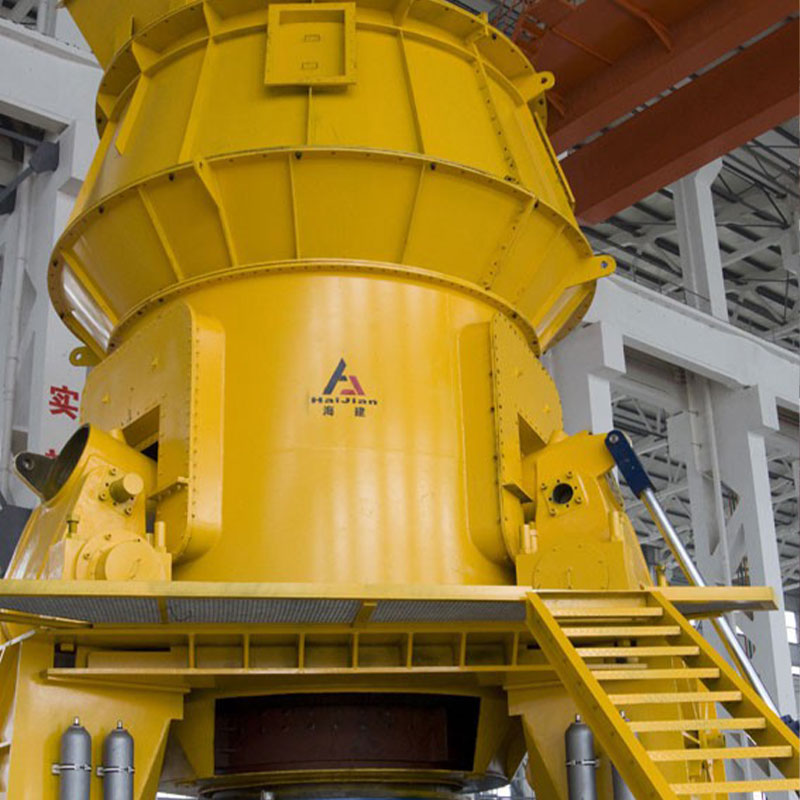
Crushed raw materials are fed into a vertical roller mill (Raw Material VRM), where they are simultaneously dried and ground to a fine powder — the "raw meal." The mill uses hot exhaust gas from the kiln, which reduces the need for separate dryers and lowers overall energy consumption. The fineness of raw meal directly affects clinker reactivity; most plants target a residue of less than 12% on a 90-micron sieve.
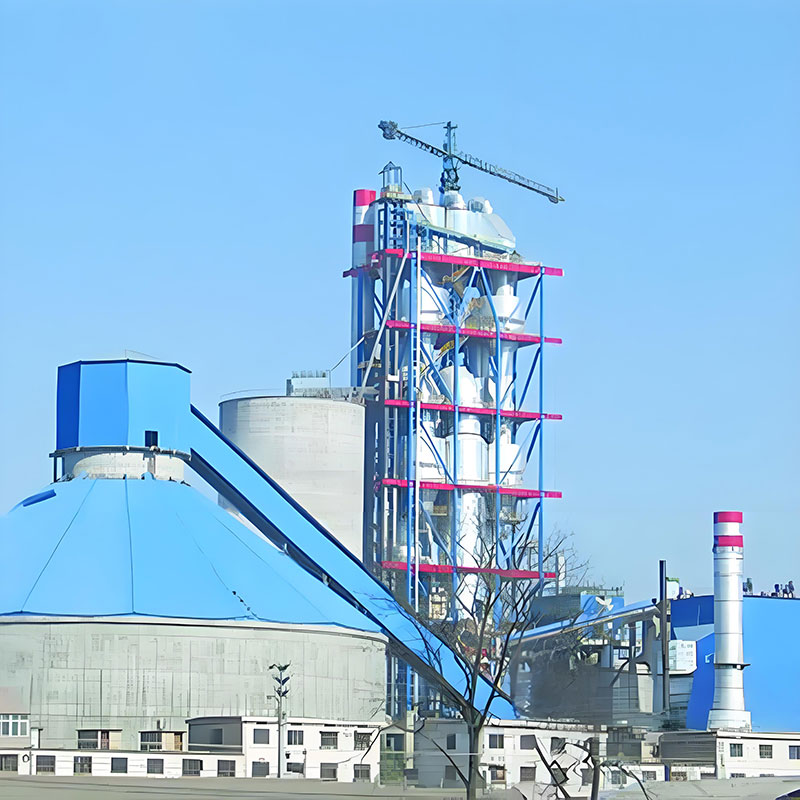
Before entering the rotary kiln, raw meal passes through a multi-stage cyclone pre-heater tower. Here, hot kiln exhaust gas heats the meal progressively from around 70°C at the top to over 850°C at the bottom. A pre-calciner vessel at the base of the tower can decarbonate up to 95% of the calcium carbonate before the meal enters the kiln, dramatically reducing the kiln's workload. This innovation alone cut fuel consumption by 30–40% compared to pre-1970s technology.
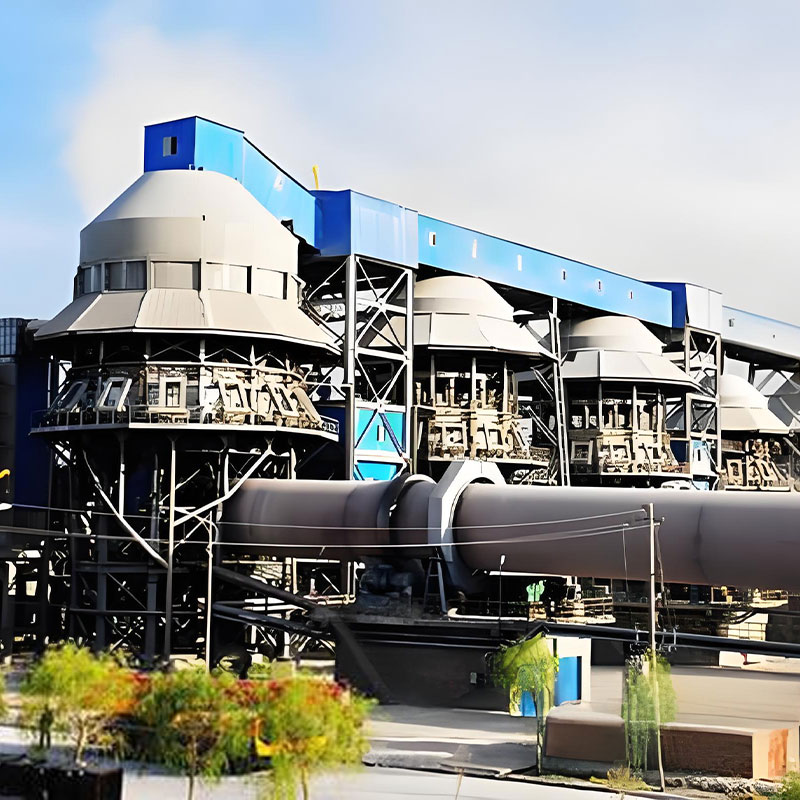
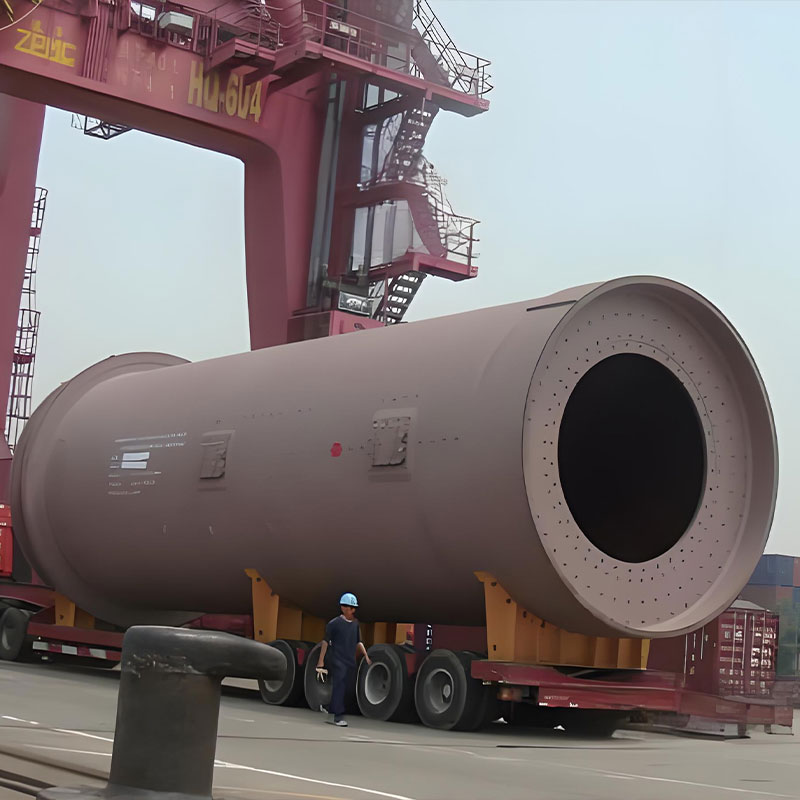
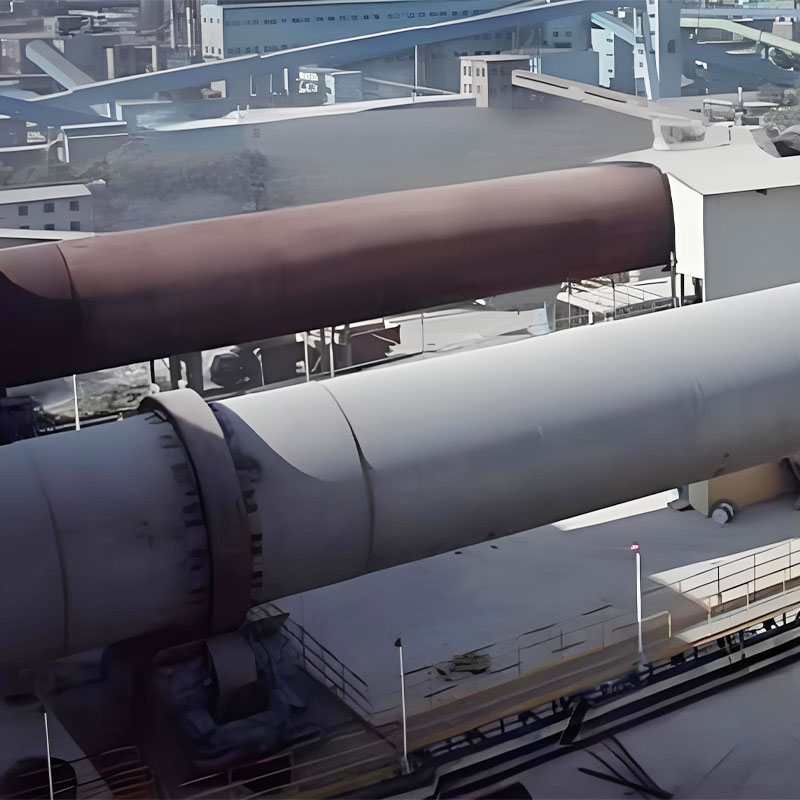
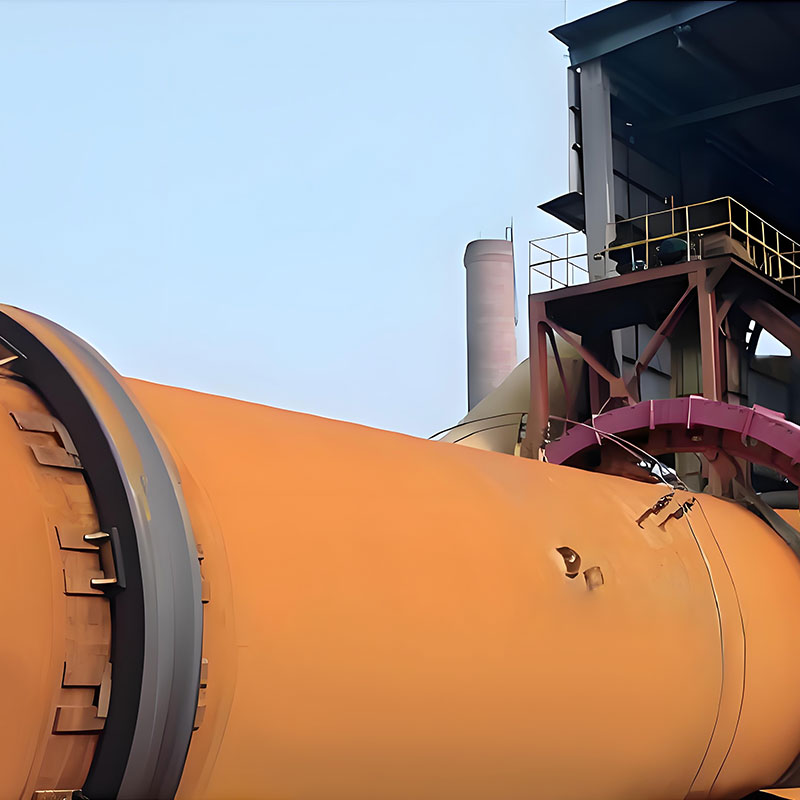
The rotary kiln is the heart of any cement production line. It is a steel cylinder up to 6 meters in diameter and 90 meters long, rotating at 1–4 rpm and inclined slightly so material travels from the feed end to the burning zone. Temperatures in the burning zone reach 1,400–1,500°C, causing the partially decarbonated meal to fuse into marble-sized nodules of clinker. The quality of clinker — its free lime content, litre weight, and microscopic phase distribution — determines the final cement's compressive strength.
Hot clinker at ~1,400°C exits the kiln and is rapidly cooled to below 100°C in a grate cooler using ambient air. This quenching process "freezes" the desirable mineral phases and prevents the conversion of alite back to belite — a transformation that would weaken the cement. The recovered heat from the cooler is recycled to the pre-heater and pre-calciner, improving the plant's overall thermal efficiency by a further 15–20%.
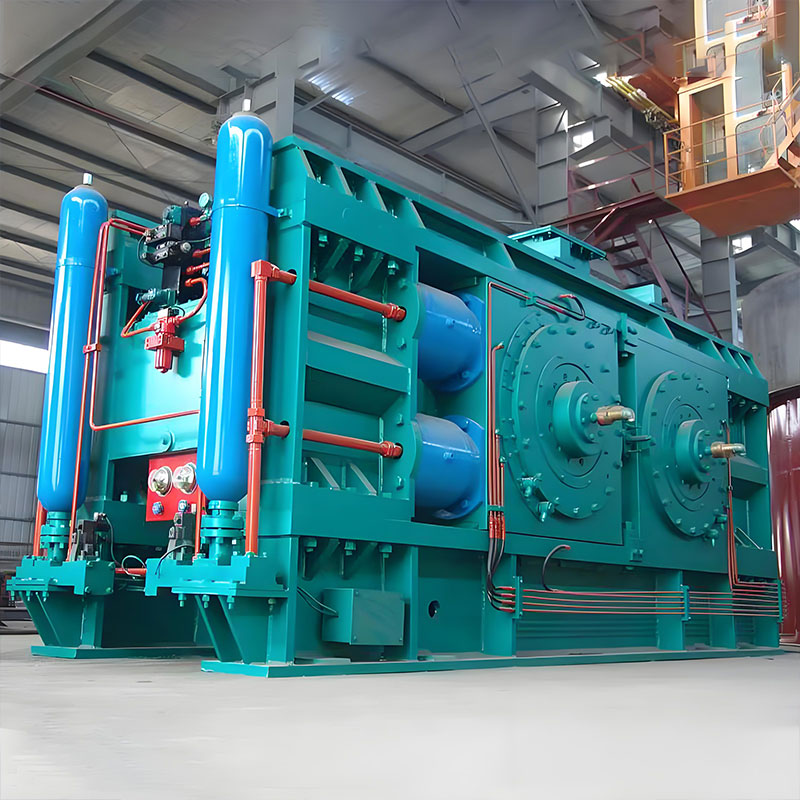
Cooled clinker is ground with approximately 3–5% gypsum and, in blended cements, with supplementary materials such as slag, fly ash, or limestone. The cement mill — a ball mill, roller press, or vertical roller mill — reduces clinker to a fineness of 300–400 m²/kg (Blaine). Fineness strongly influences early strength development; finer grinding yields higher 3-day and 7-day strength at the cost of slightly higher energy consumption.
The cement plant process flows from raw material extraction through to final grinding and packaging. Each stage adds value and consumes energy, but the rotary kiln represents both the most energy-intensive and the most chemically critical step. Improvements in pre-heater and cooler technology have progressively reduced the overall energy footprint of the process for making cement.
Energy is the largest variable cost in cement manufacturing, typically representing 30–40% of total production cost. Thermal energy (from coal, petroleum coke, or alternative fuels) is consumed mainly in the kiln and pre-calciner, while electrical energy drives the mills, fans, and conveyors. Understanding where energy goes is the starting point for reducing it.
A modern dry-process plant with a five-stage pre-heater and pre-calciner consumes approximately 720–780 MJ of thermal energy per ton of clinker and around 90–110 kWh of electricity per ton of cement. Older wet-process kilns can consume more than 1,400 MJ/t of thermal energy, making them increasingly uncompetitive as energy prices rise and carbon regulations tighten.
Cement grinding (the cement mill stage) consumes the largest share of electrical energy in the cement production line, accounting for roughly 38% of total plant power usage. Raw material milling is the second-largest consumer, followed by kiln fans and auxiliary systems. Selecting high-efficiency grinding solutions — such as a roller press combined with a ball mill or a vertical roller mill — can reduce overall electricity consumption by 20–30% compared to standalone ball mill configurations.
A complete cement production line integrates dozens of equipment types, but a handful of machines determine the plant's capacity, quality, and energy performance. The selection, sizing, and maintenance of these key pieces of equipment is where engineering expertise has the greatest leverage on long-term operational cost.
| Equipment | Stage | Key Function | Typical Capacity |
|---|---|---|---|
| Jaw Crusher | Primary Crushing | Reduce quarry rock to <150mm | 200–1,500 t/h |
| Impact Crusher | Secondary Crushing | Reduce material to <25mm | 100–800 t/h |
| Raw Material VRM | Raw Meal Grinding | Dry-grind and classify raw meal | 100–600 t/h |
| Pre-heater Tower | Thermal Pre-treatment | Heat and partially calcine raw meal | Matched to kiln |
| Rotary Kiln | Clinker Formation | Burn raw meal at 1,450°C to form clinker | 500–10,000 t/day |
| Cement Mill / Roller Press | Finish Grinding | Grind clinker + gypsum to cement fineness | 50–500 t/h |
| Belt Conveyor | Material Transport | Link all stages with continuous material flow | Varies by plant layout |
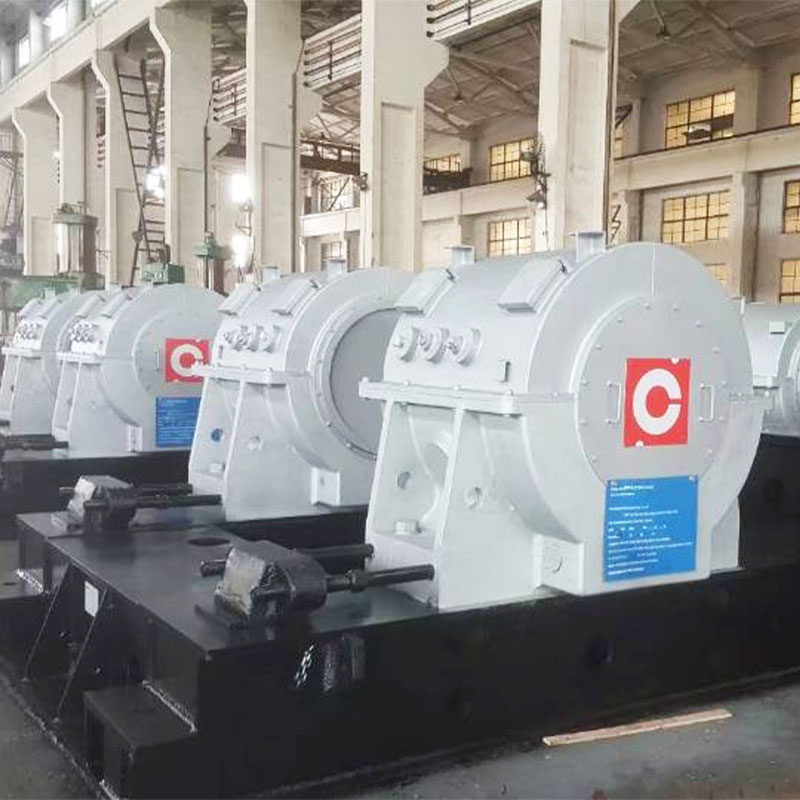
Beyond the core process machines, a modern cement plant also includes coal vertical roller mills (Coal VRM) to grind fuel, slag VRMs for supplementary cementitious material processing, and an active lime production line if the plant produces quicklime as a secondary product. Jiangsu Haijian Co., Ltd, established in 1970, manufactures and supplies this full spectrum of cement production equipment, drawing on over 50 years of engineering experience and a 100,000m² manufacturing campus with overhead cranes up to 150 tons capacity.
Cement production has grown in near-lockstep with urbanization and infrastructure investment. The industry has undergone significant consolidation and technology upgrades over the past three decades, with average kiln size increasing and average heat consumption per ton decreasing substantially. Emerging economies continue to drive volume growth, while developed markets focus on lower-carbon cement formulations.
Global cement production more than doubled between 2000 and 2015, driven primarily by China's massive infrastructure and urbanization programs. Since around 2015, production has plateaued near 4.1 billion metric tons as China's construction boom moderated and efficiency improvements compressed demand per unit of construction activity. Future growth is expected to come from South and Southeast Asia, Sub-Saharan Africa, and Latin America, where urbanization rates continue to accelerate.
Not all cement is the same. The process for making cement can be adjusted — by varying kiln temperature, raw material mix, grinding fineness, and supplementary materials — to produce cements with widely different performance profiles. Understanding cement type is essential for matching materials to structural requirements.
This radar chart compares the relative performance profiles of Ordinary Portland Cement (OPC), Portland Slag Cement (PSC), and Portland Pozzolana Cement (PPC) across five key attributes. OPC leads in early strength, making it preferred for fast-track projects, but it has the highest CO2 footprint. PSC offers superior long-term durability and moderate carbon reduction, while PPC provides the best cost efficiency and lowest CO2 per ton among the three. Selecting the right cement type for each application can significantly reduce both cost and environmental impact without compromising structural performance.
The cement production industry accounts for approximately 7–8% of global CO2 emissions. About 60% of these emissions are process-inherent (from the calcination of limestone: CaCO3 → CaO + CO2), while the remaining 40% come from fuel combustion. This makes cement one of the most challenging industries to fully decarbonize, but significant progress is being made through several pathways.
Key environmental strategies being deployed in modern cement plants include: increased substitution of clinker with supplementary cementitious materials (reducing clinker factor from ~0.85 to below 0.65); use of alternative fuels such as municipal solid waste, biomass, and industrial byproducts (some plants now achieve 80%+ alternative fuel substitution rates); waste heat recovery systems that convert exhaust heat into electricity; and bag filters and electrostatic precipitators (ESPs) that capture particulate emissions to below 10 mg/Nm³.
Carbon capture, utilization, and storage (CCUS) is increasingly seen as the only technology capable of deep decarbonization of process emissions, with several cement plants in Europe and North America running pilot programs at commercial scale. Investment in low-carbon cement technology is accelerating as carbon pricing expands globally.
When asking how to make cement at industrial scale, the choice between the wet and dry processes is foundational. The wet process adds water to raw materials to create a slurry (~30–40% moisture) before kiln feeding, ensuring thorough blending but requiring enormous amounts of thermal energy to evaporate the water. The dry process grinds raw materials without added water, then blends the dry powder, using far less thermal energy overall.
| Parameter | Wet Process | Dry Process (with Pre-heater) |
|---|---|---|
| Thermal Energy (MJ/t clinker) | 1,400–1,800 | 720–780 |
| Raw Mix Homogeneity | Excellent | Good (blending silos) |
| Capital Cost (relative) | Lower | Higher (pre-heater tower) |
| CO2 Emissions (fuel) | Higher | ~40–50% lower |
| Suitability for Sticky/Wet Materials | Better | Requires pre-drying |
| Industry Adoption (new plants) | Rare (<5%) | >95% |
Se centra en la solución general del sistema de transferencia de puerto de material a granel seco,
Investigación y desarrollo, fabricación y servicio